Takayama is another beautiful Japanese city located in the Hida region (Gifu prefecture), surrounded by scenic countryside of the Japanese Alps. It is known for its festivals, historic architecture, and Onsen (hot springs). Moreover, this city and surroundings are supposedly hot spots among tourists like us, who like to explore the rural parts of Japan.
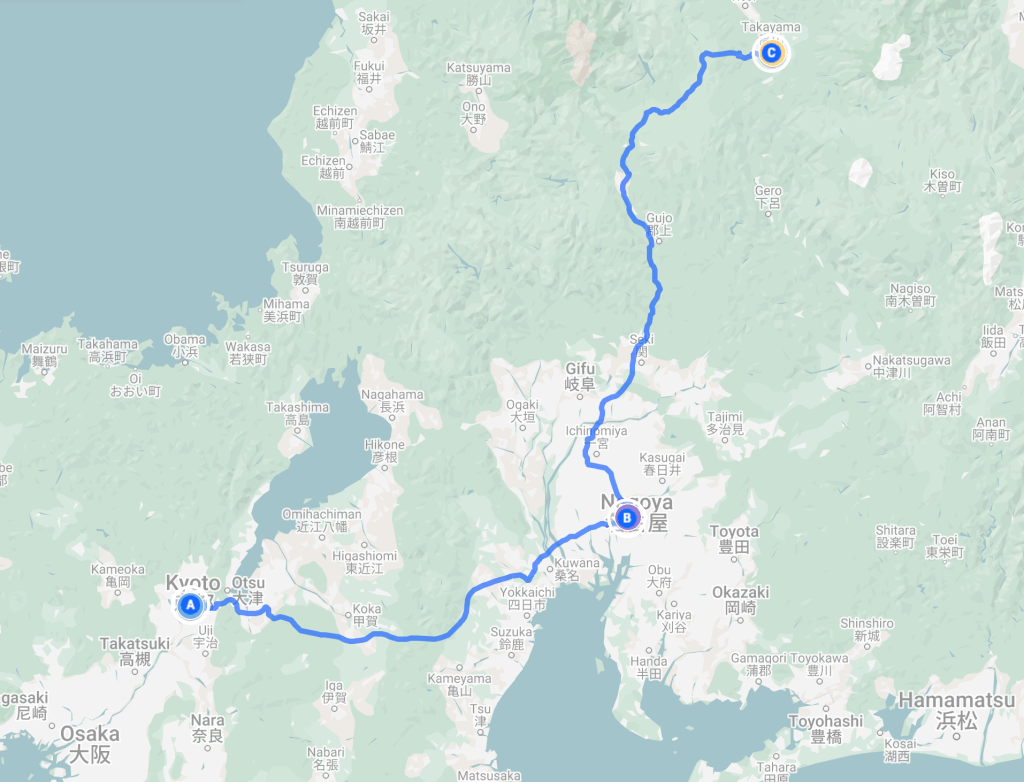
Travel to Takayama from Kyoto took over three hours, including a change of train at Nagoya; Shinkansen (bullet train) from Kyoto to Nagoya, followed by a local train ride through Gifu’s countryside to Takayama.
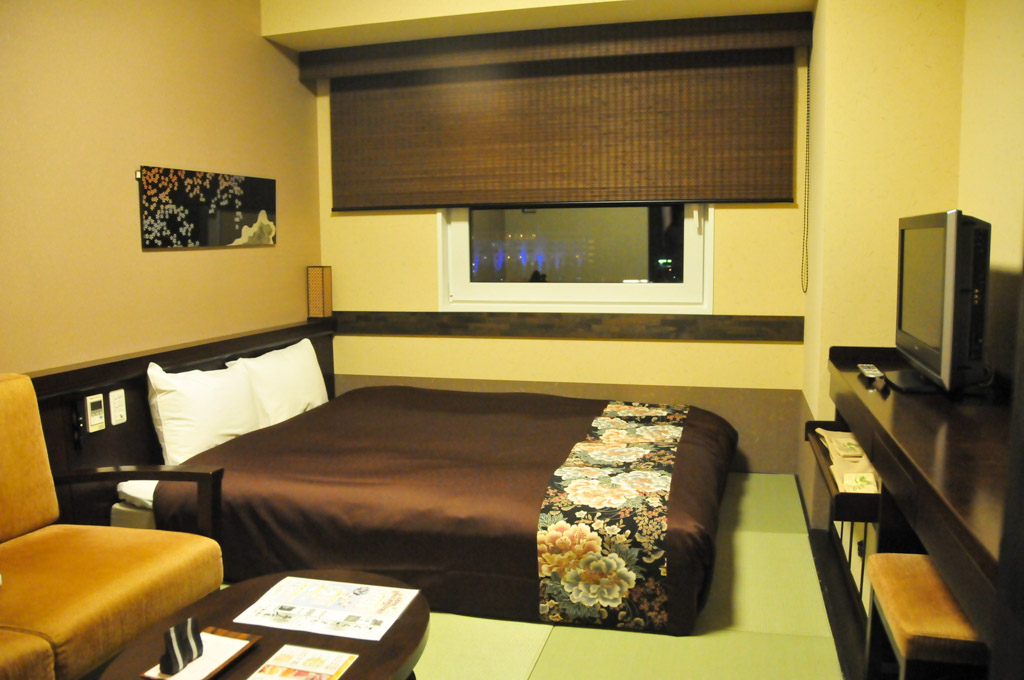
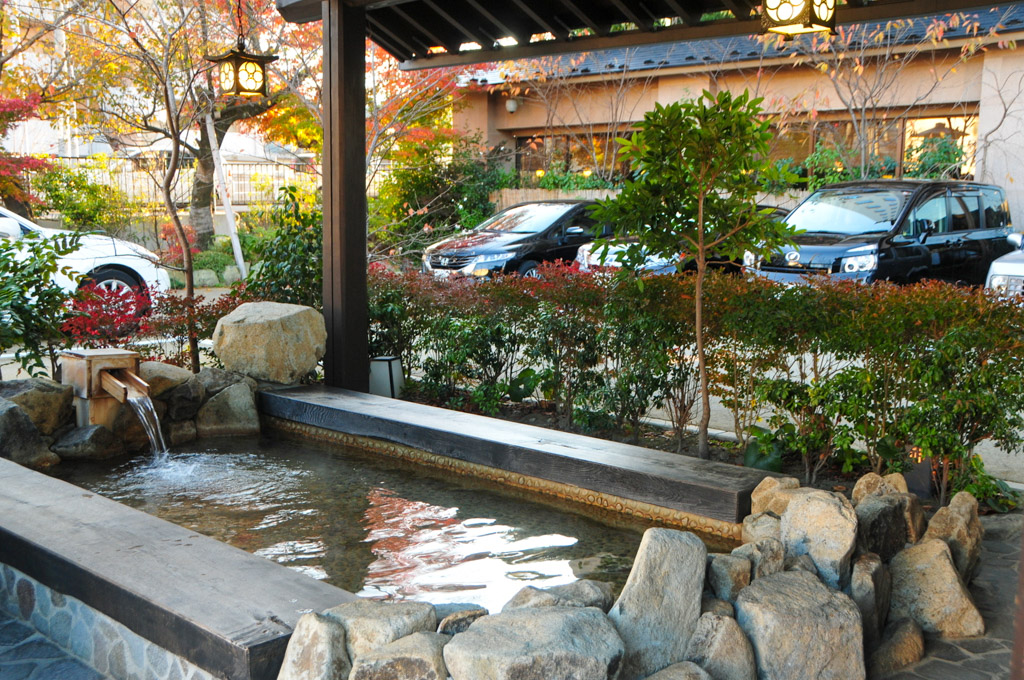
The hotel we stayed at had a traditional and simple interior, but included most modern amenities. Another reason for booking this hotel was their private onsens; mainly for those who are not comfortable with the standard ‘shared’ onsen baths. In addition they had an outdoor onsen, by the hotel entrance (which was used for dipping legs).
Kamikochi
Day 5 of our trip was planned to be spent at Shirakawa-go, a UNESCO world heritage site, famous for their traditional houses, which are more than two centuries old. Since the weather forecast looked better for the next day, we changed our destination for the day to Kamikochi, which was originally planned for the next day.
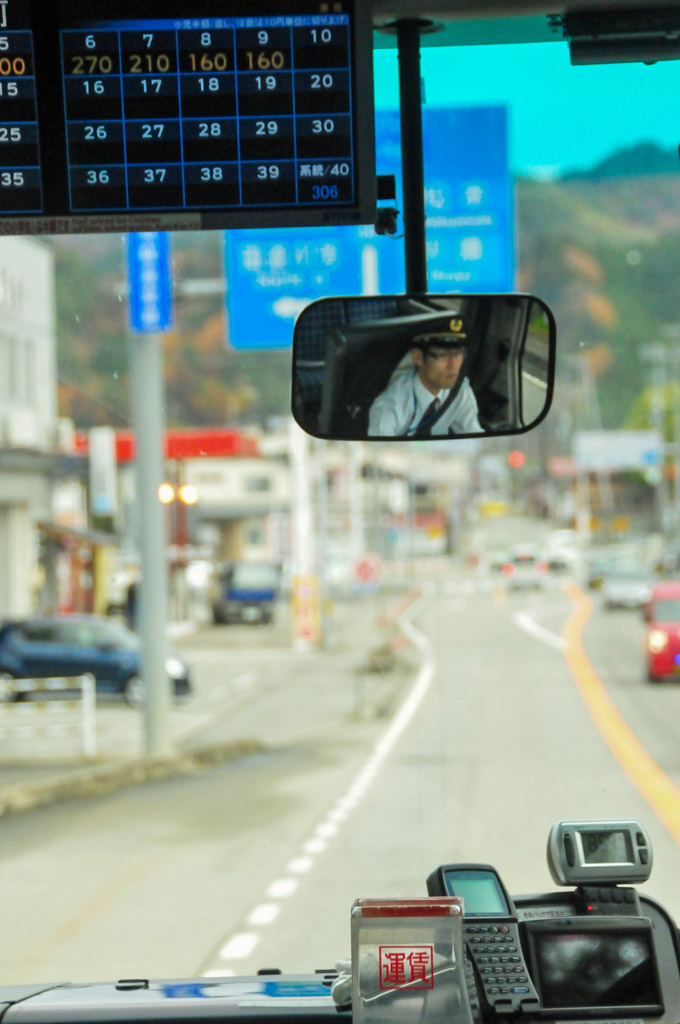
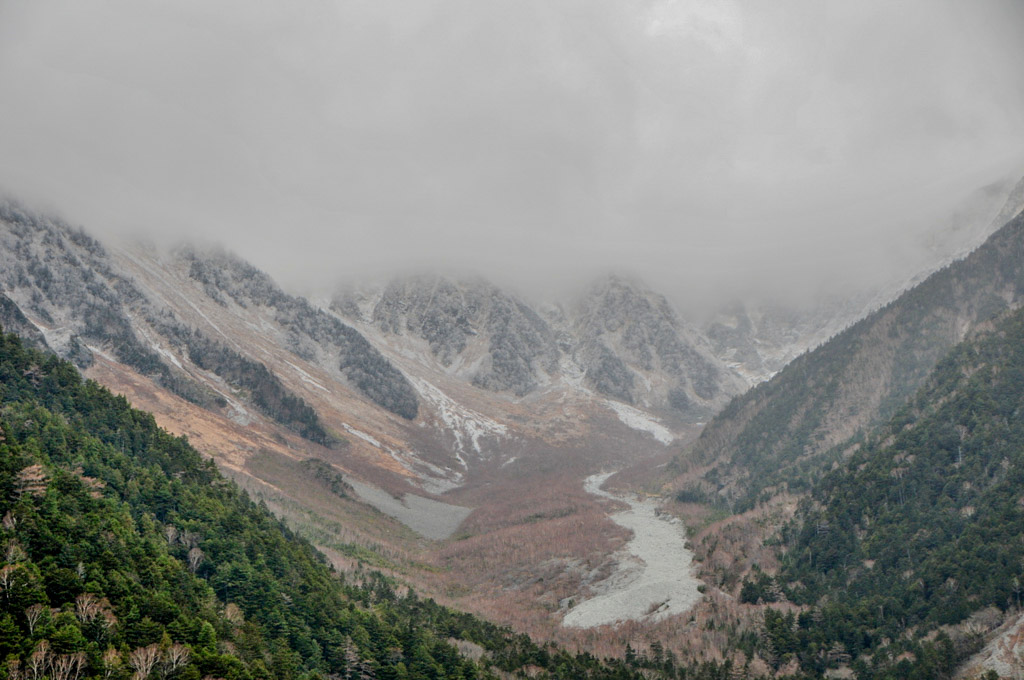
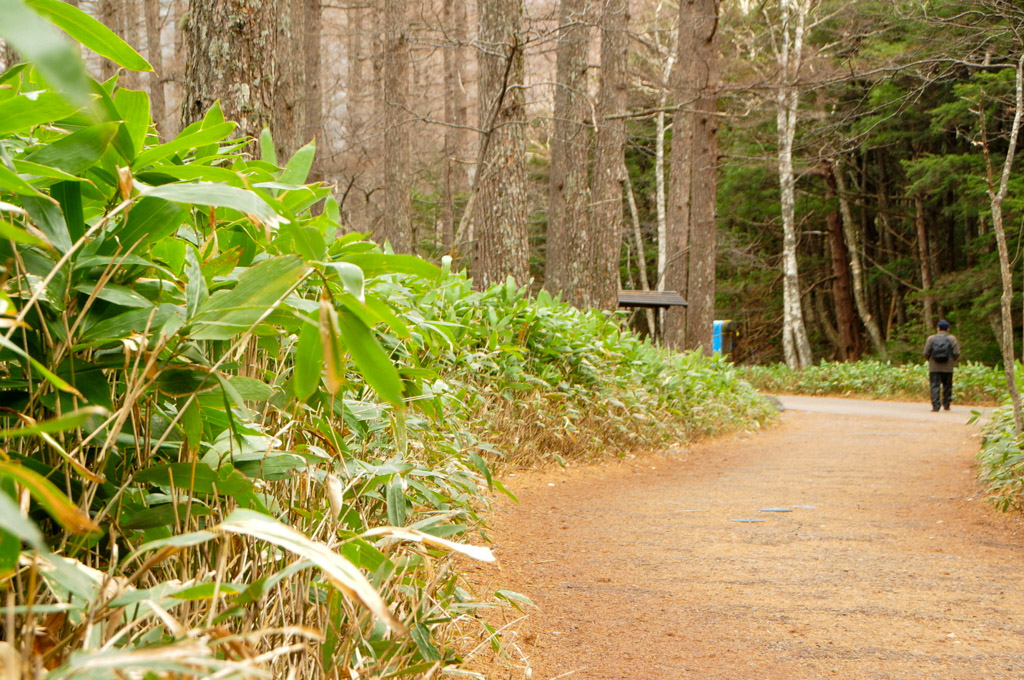
Kamikochi is a mountain resort in Nagano prefecture, with activities like hiking through the Northern Japanese Alps. Since private cars are not allowed in Kamikochi and taxis being very expensive, the only choice for us was a two-hour bus ride from Takayama, with a change of bus at a place called Hirayu. Like other rural parts of Japan, an english speaking local was quite rare, still, we somehow managed to communicate with them while traveling through these new places and got things done.
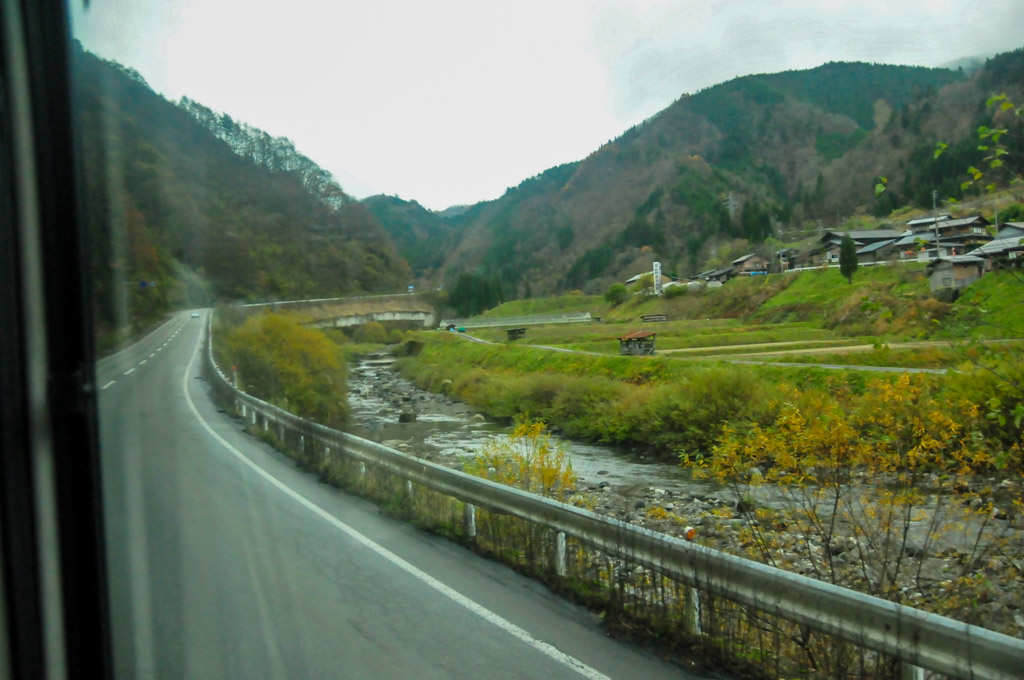
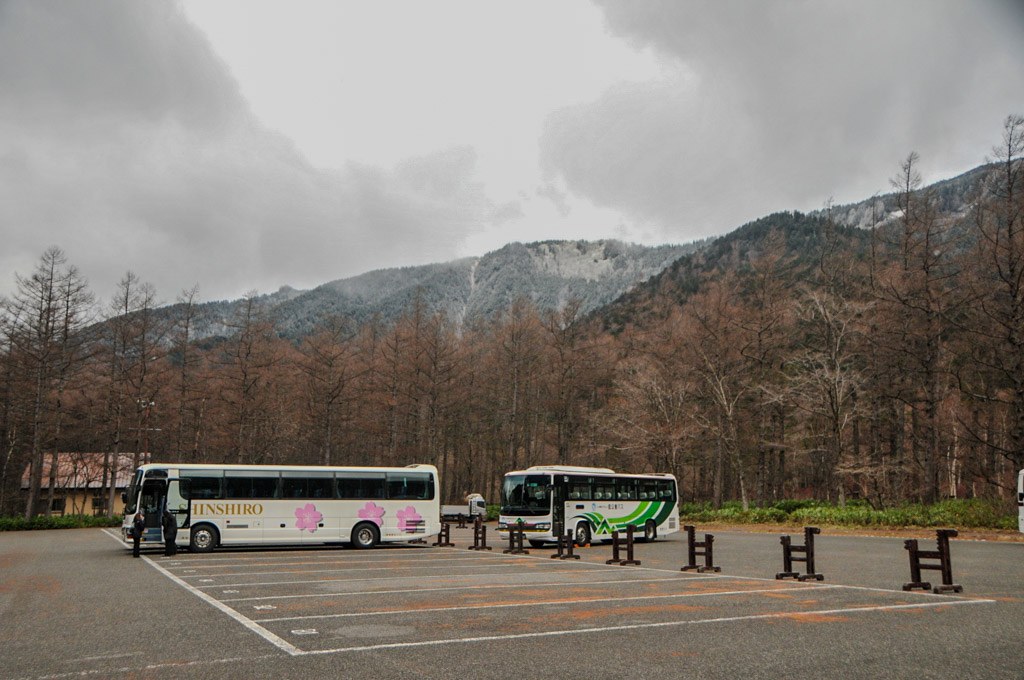
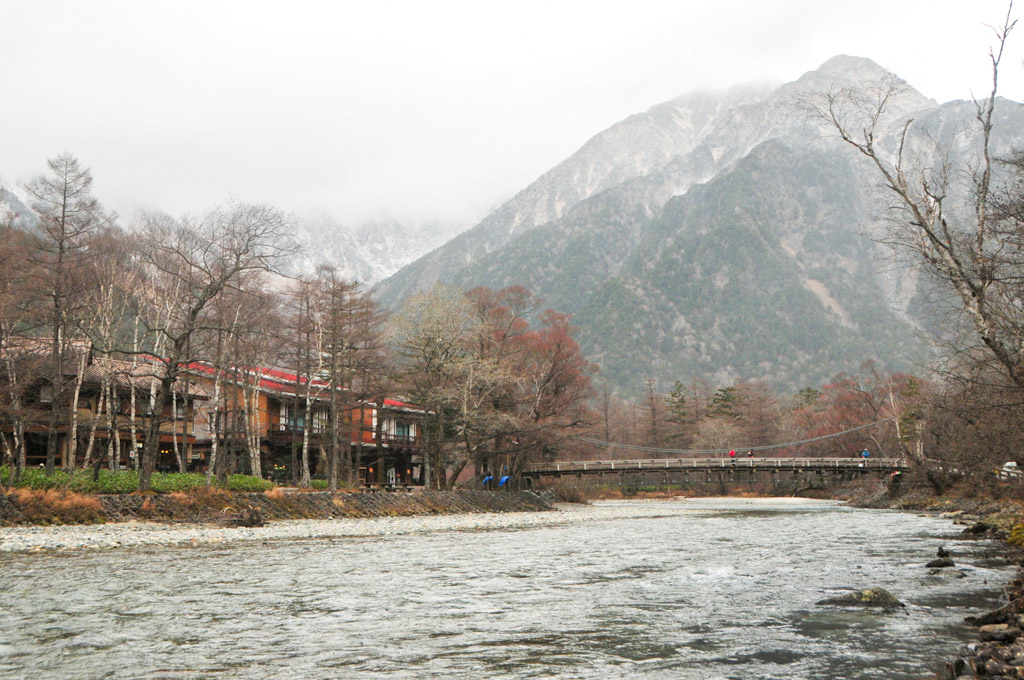
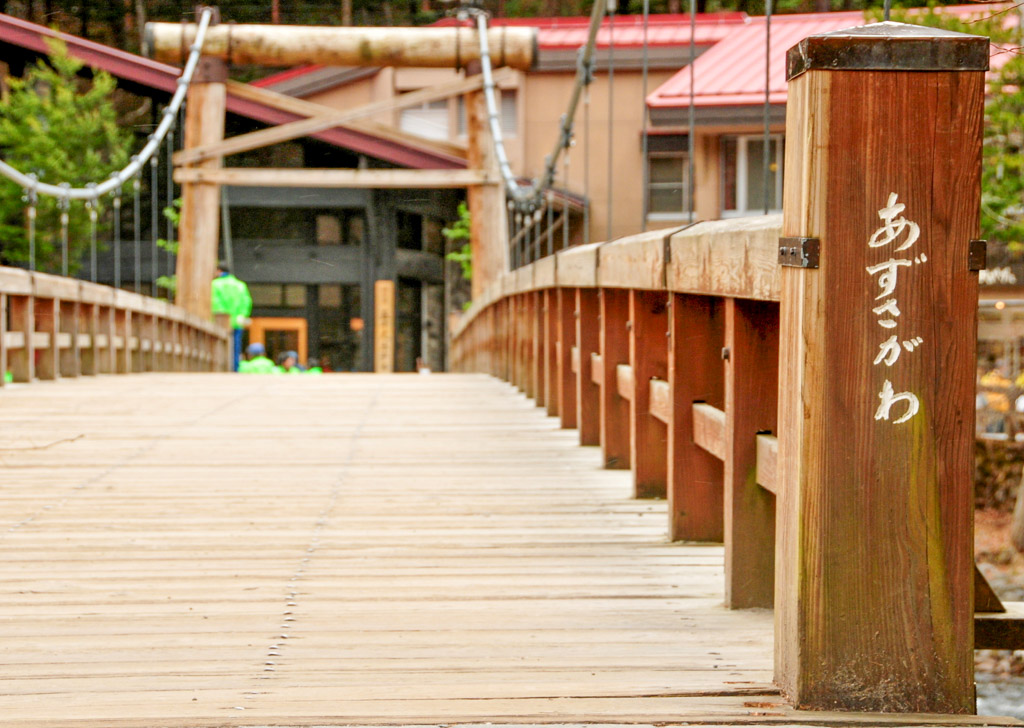
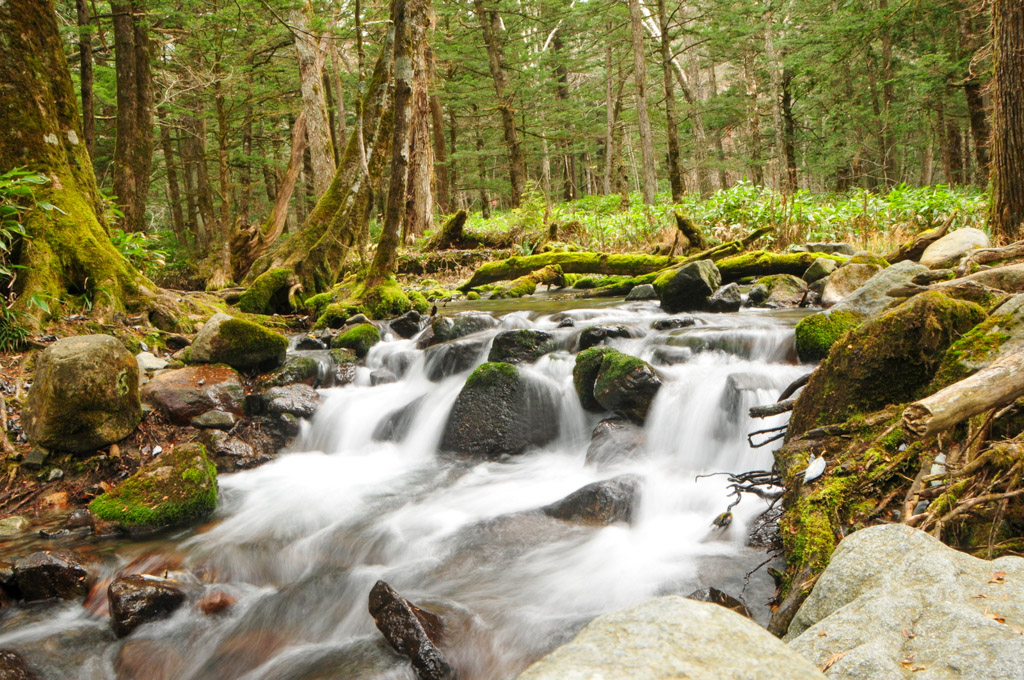
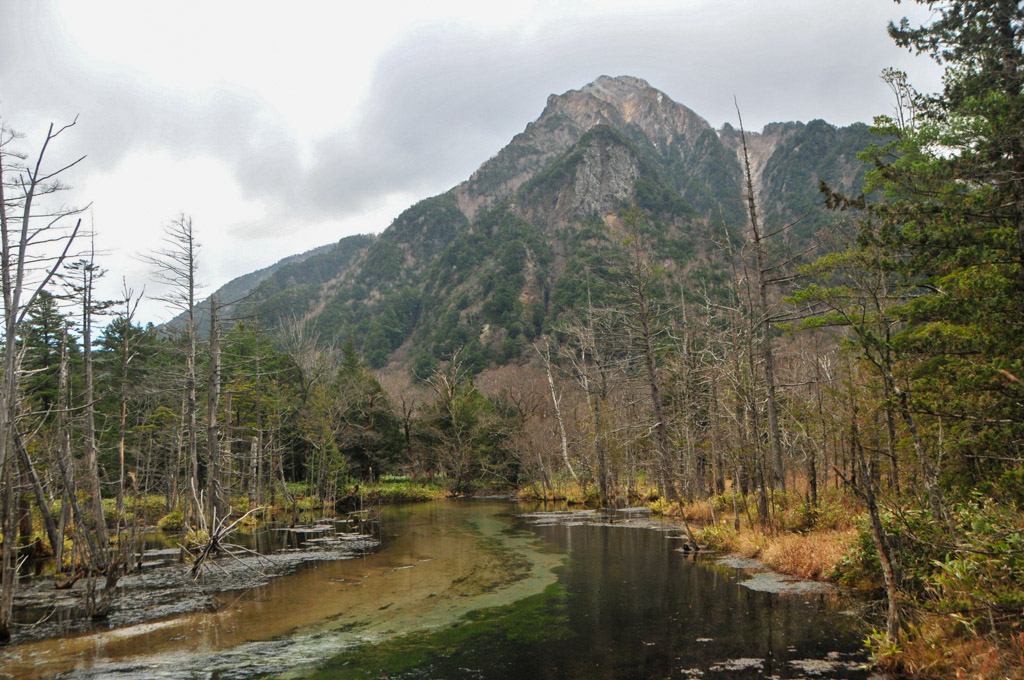
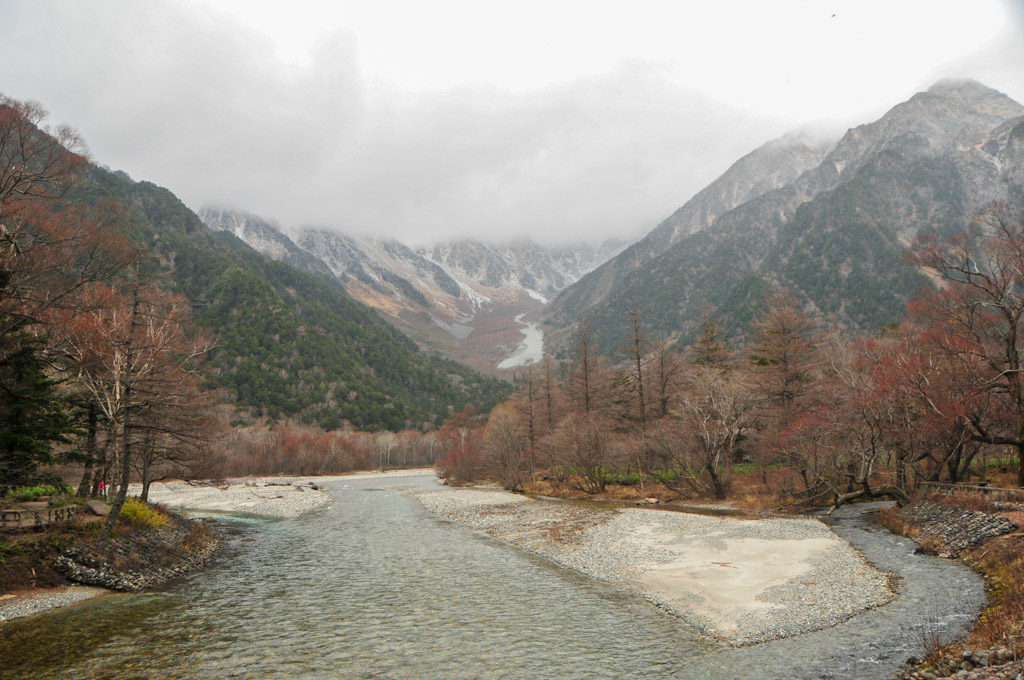
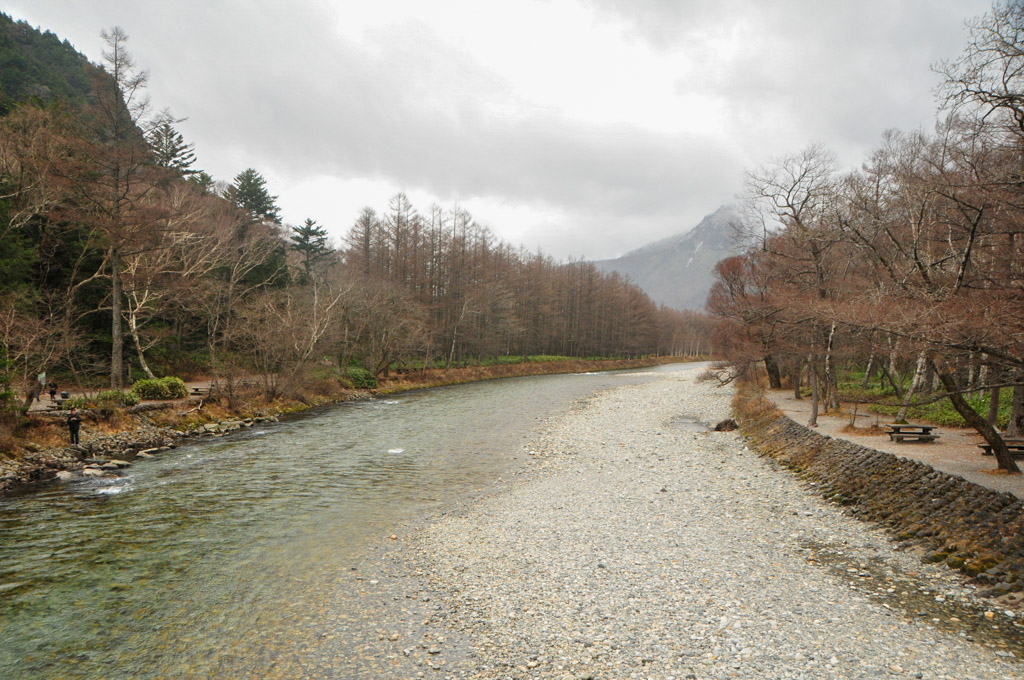
Our timing of visit was just nice, as Kamikochi is usually closed for visitors from mid November (two days after our visit) to April. Even though the autumn season in Japan is popular, most rural areas we visited were not crowded like the cities. Kamikochi was much colder than the places we had visited so far in Japan. Temperature was close to zero degC with snow starting to appear on top of the mountains, which we were not fully prepared for (ended up buying winter gloves and head gear from the souvenir shop). The hiking trail passing through the valley, along Azusa river, consists of different terrains. Our slow and relaxed walk through the scenic valley was enjoyable. We felt as if we were the only ones in the whole place; we probably met ten tourists at the visitor center at the start and at max, two or three others during the hike. We ate a packed lunch along a small stream, withs its water flowing into the river. The whole day had an overcast weather, except a few minutes of mild snowfall while walking back to the starting point.

We got back to our hotel in Takayama just in time for dinner. This was one of the days where our taste buds craved for some spicy Indian cuisine. Since we had brought some ready-to-eat food, we decided to empty some of those.
Shirakawa-go
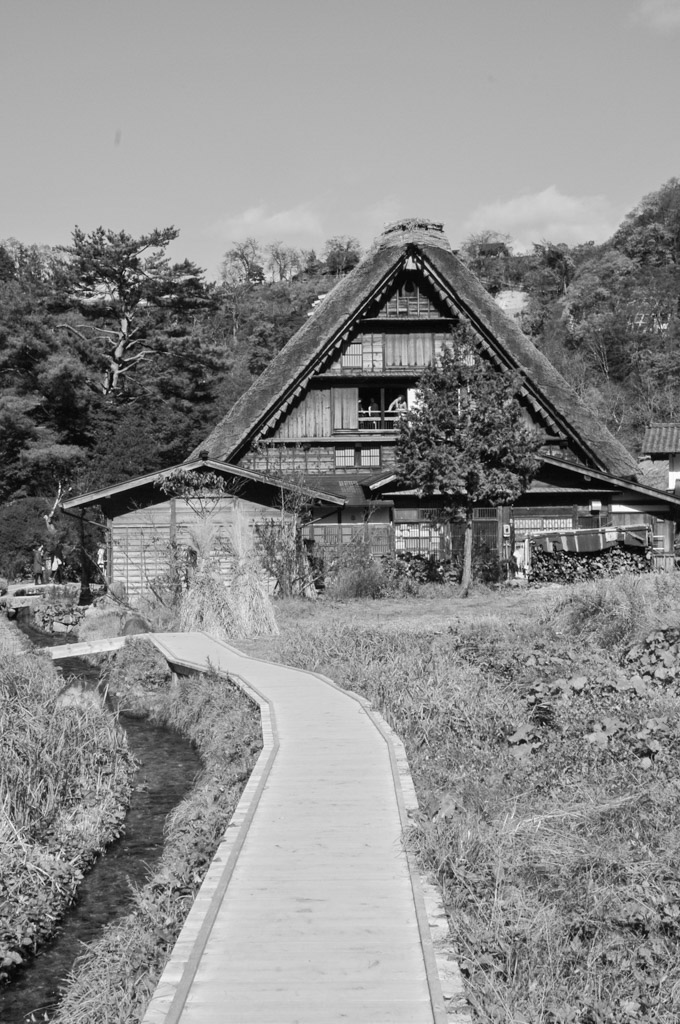
Shirakawa-go was easily accessible from Takayama with public buses scheduled almost every hour. The bus ride through a scenic road took about 45 minutes. Being a UNESCO world heritage site, we saw more tourists here than in Kamikochi; still it wasn’t crowded.
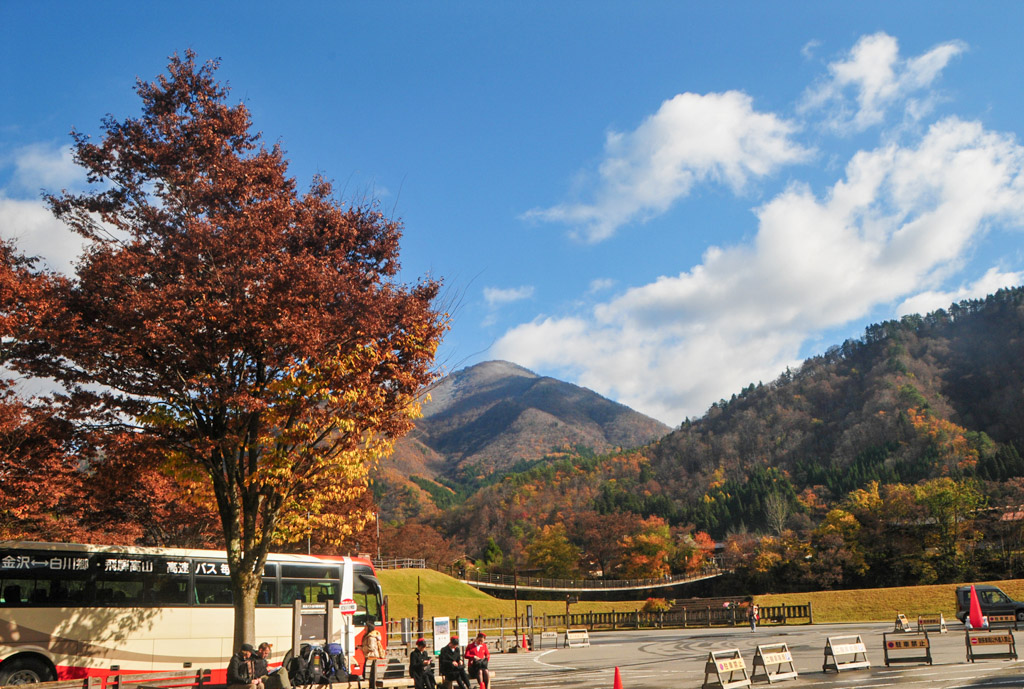

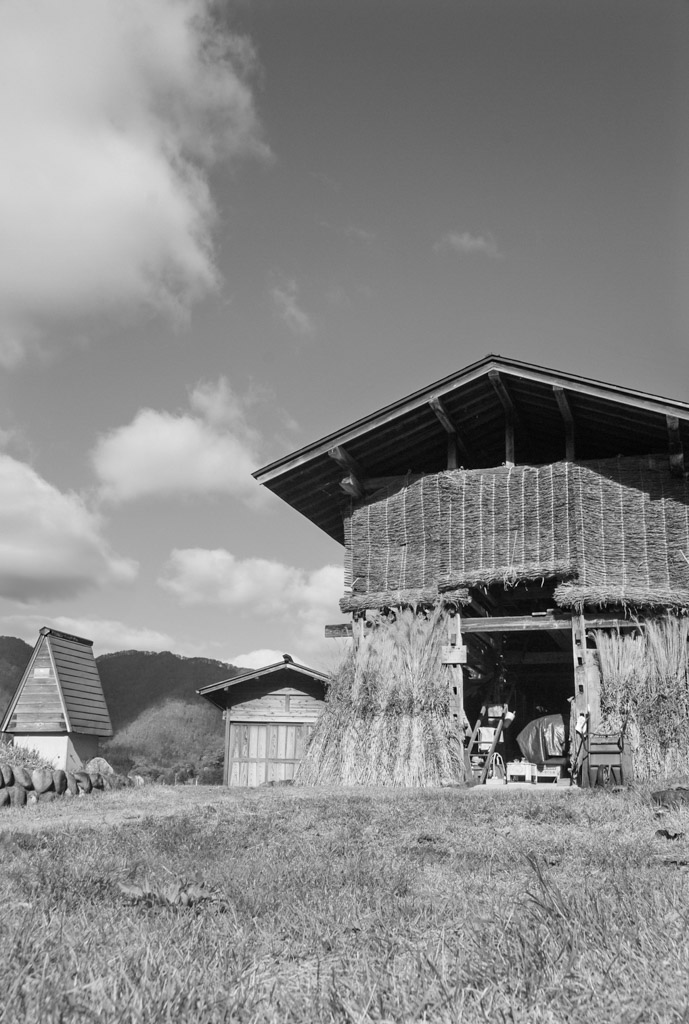
With the beautiful weather during the day, we thoroughly enjoyed the visit to this old village where farming was the primary activity. Farmhouses in this village were few centuries old, and had a very steep and thick thatched roofing to withstand heavy snowfall during the winter.
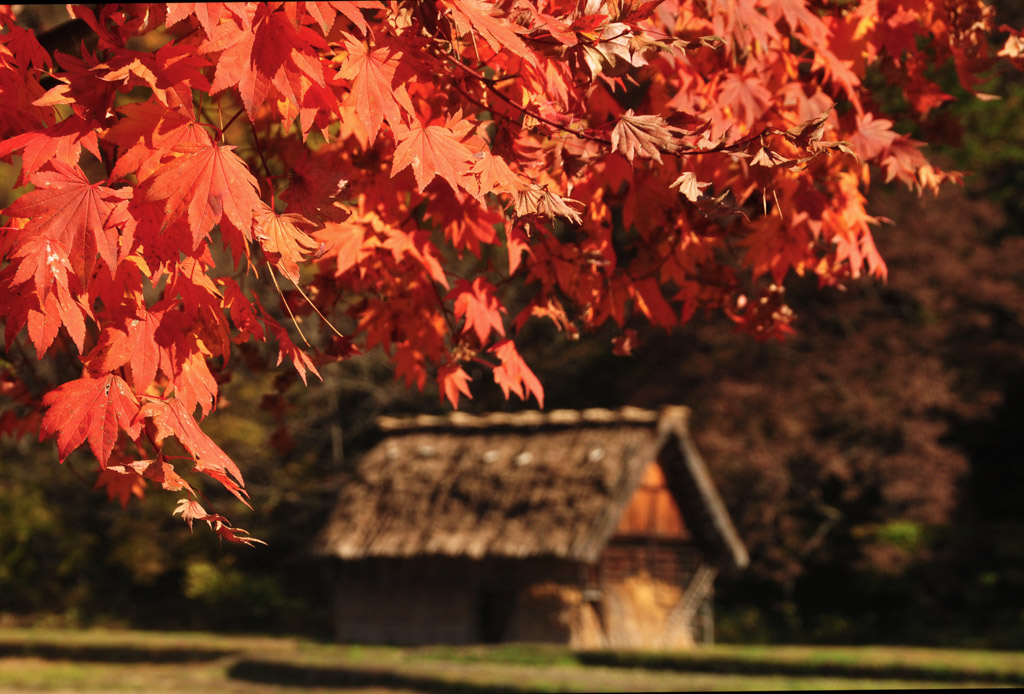
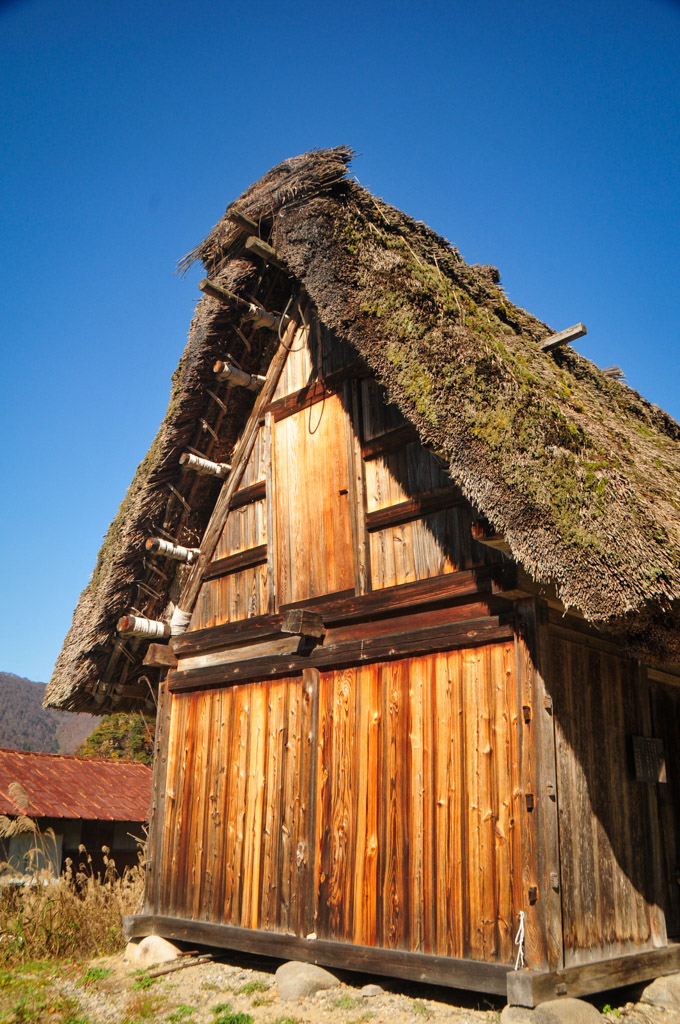

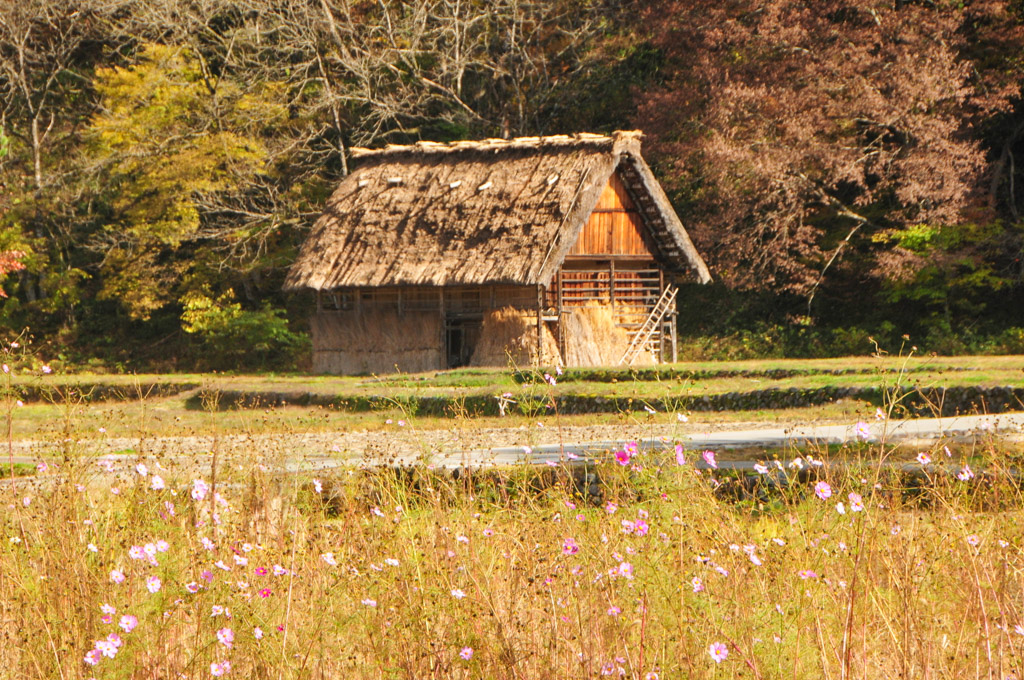
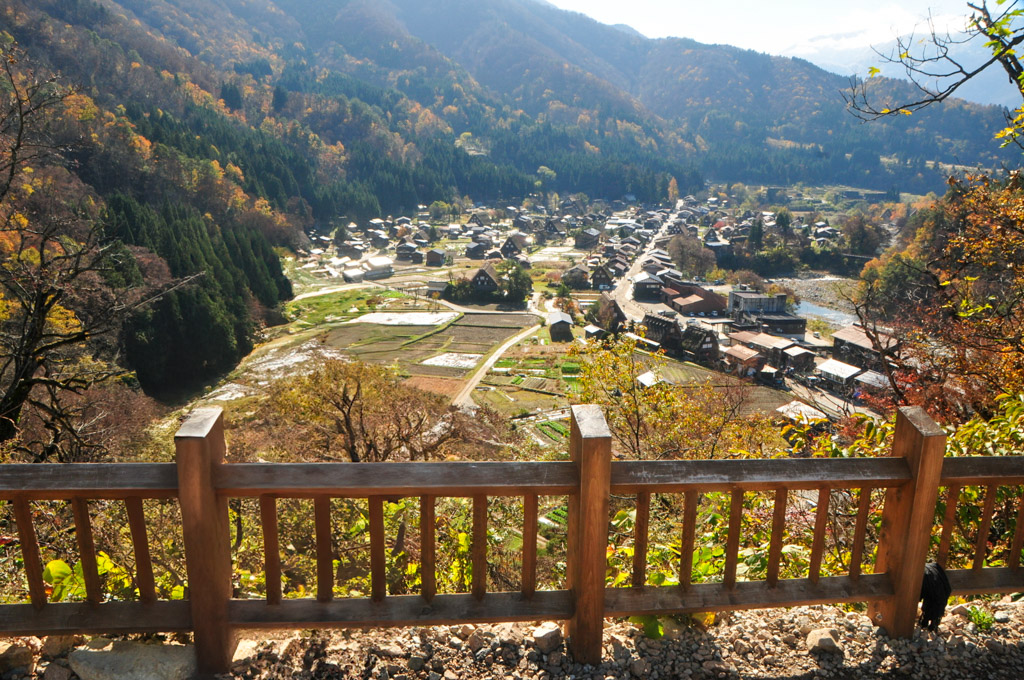

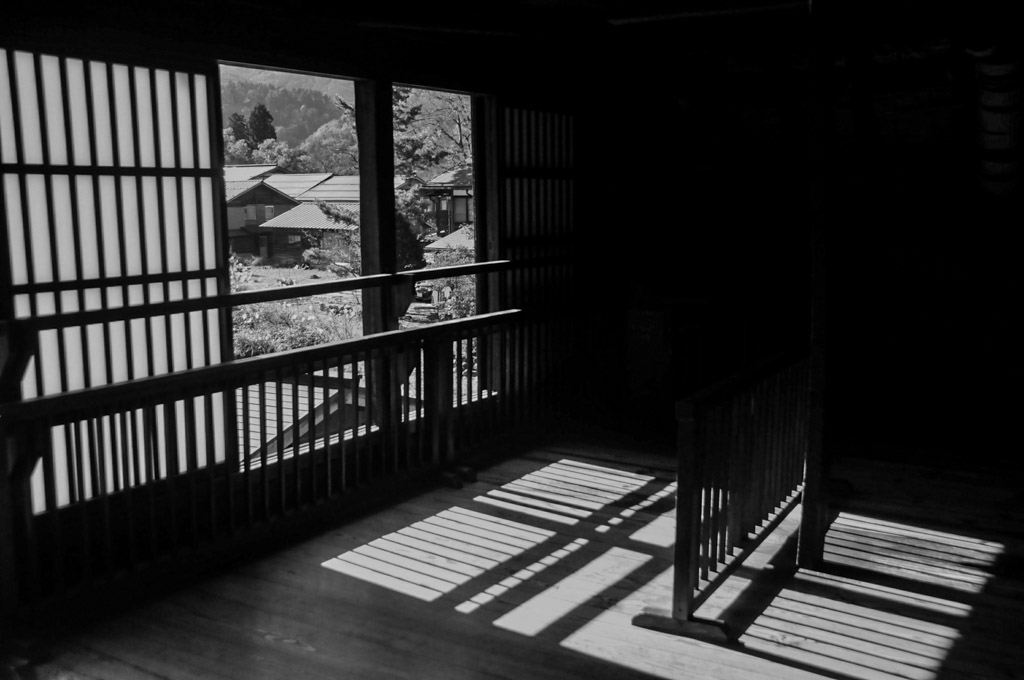
We explored the village by walking through the open streets with houses and farms on both sides, viewing the inside of some of the buildings, getting an aerial view of the village from a viewpoint up a hill and trying out cafes / restaurants in the village. From the local restaurant, we had tasty soba noodles with vegetables and tofu for lunch.
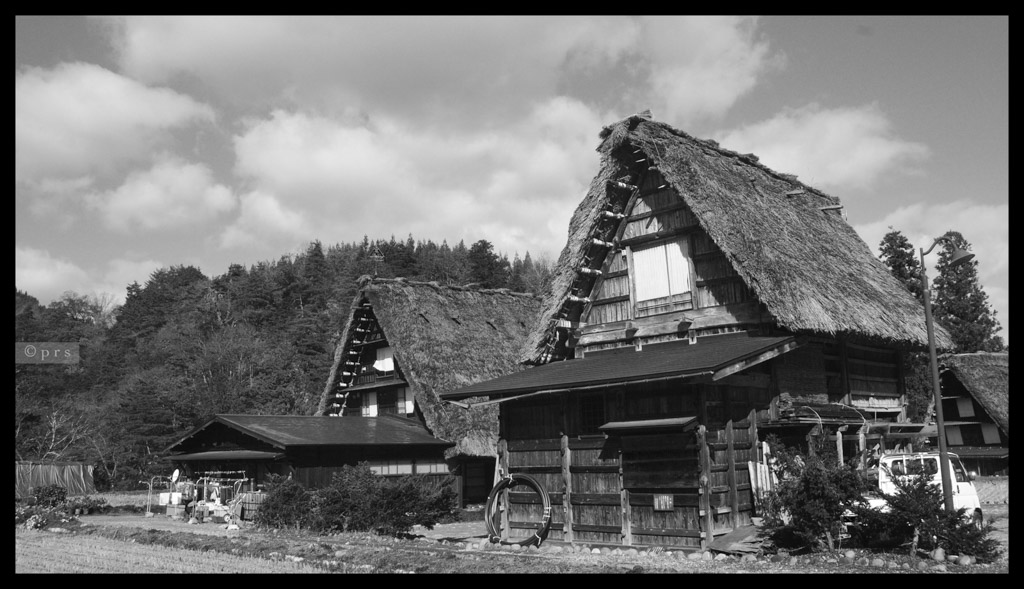


We returned to Takayama by early evening and had enough time with day light to explore that old town. Rest of the evening was spent at the hotel, including a few minutes bath at the Onsen.
Back to Tokyo
Next morning we took an early train to Nagoya to catch the Shinkansen towards Tokyo. We had planned couple of hours stopover at Nagoya to visit the Toyota headquarters (their museum). Thanks to the punctuality of the trains, the visit to Toyota’s facility worked out as planned. We had enough time to get a guided tour of the plant museum and get a short glimpse of the Toyota philosophy in live. I should have read the book ‘Toyota Way’ prior to this visit, to appreciate their innovations even more! Since we spent a bit longer time there, we had to take our first taxi ride in Japan, from the museum to the train station. To make that experience interesting, the old and respectful taxi driver did not speak a word in English! He didn’t understand a word we spoke, including the destination. Finally, I had to show him our train ticket to Tokyo to help him understand where we had to go. He also understood that we would miss out train if he didn’t speed up. After reaching the station, we thanked the driver for getting us there on time, and rushed to collect our luggage from the storage lockers. By the time we reached the platform with only couple of minutes for our Shinkansen to arrive, we were hungry and very thirsty. Thankfully a kiosk was open at the same platform, where we bought some drinks and snacks, including our new favourites found during this trip – Meiji milk chocolate and canned (warm) corn soup. After boarding the shinkansen, we realised that we had practised Toyota’s “Just-In-Time” system soon after the visit to their facility!
The last couple of days of our Japan trip was spent in Tokyo city, free and easy; without even carrying my camera around. Few things I remember from those days at Tokyo are:
- Visited a restaurant called Kerala no Kaze (Breeze of Kerala). A Japanese man who frequently traveled to Kerala (a state in South India) for work reasons, fell in love with the place and food. He is now the chef & owner of this restaurant serving authentic dishes (mainly vegetarian) from Kerala. Food was tasty and that south Indian meal was highly appreciated after a week of eating ‘new’ food in Japan every day.
- Visited a few electronic stores, gaming arcades and a cinema too. I remember printing several photographs from our trip, as a way of spend all loose change of Japanese Yen (coins and small denomination notes) we had collected over the days.
After such a fantastic holiday in Japan, we returned to Singapore with lots of good memories (impressive that I remember so many details even after these many years) and love & respect to the wonderful people and culture of Japan, that we experienced. Special mentions to Fazul and japan-guide.com for guiding us!
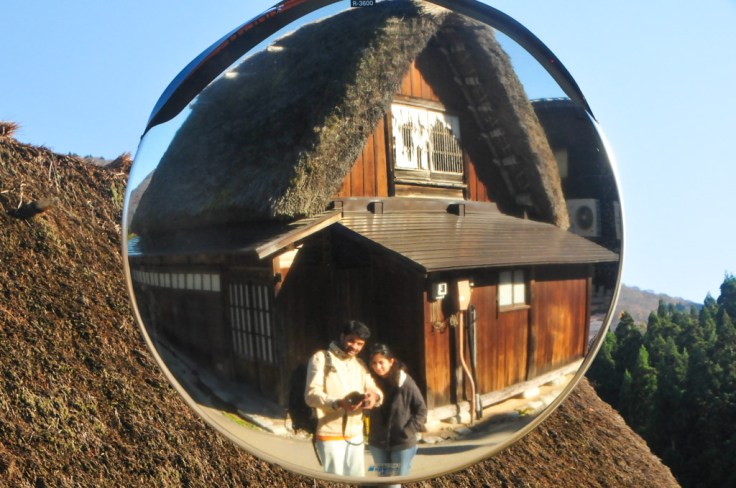
Arigato Gozaimasu Japan for a memorable trip!
 Life is a Journey..