Day 2 in Japan started with an early Shinkansen (bullet train) journey with Fazul to our first destination, Mount Koya (Koyasan), a sacred Buddhist settlement. Early in the morning, we reached Yokohama station to catch the Tokyo – Osaka Shinkansen (alight at Kyoto). If I remember correctly, these bullet train tickets were quite expensive; just the return ticket from Tokyo to Kyoto was more expensive than our railway pass. Purchasing that 7 days pass with unlimited JR train rides (bullet, express & local) was definitely worth it.
Our bullet train arrived on time and we settled down quickly in our reserved seats. Soon after the train departed Yokohama station, the ticket inspector walked into the compartment. I noticed that the inspector bowed as soon as he entered the compartment, walked humbly to our seat, respectfully inspected our tickets and moved to the next passengers. Fazul explained that the bowing was a gesture by the staff to show respect to the compartment and its passengers, and asked us to observe the inspector while he goes to the next compartment. Also while leaving the compartment, he stopped at the door to the connector for compartments, turned around and bowed once again before exiting. Even though I had read about the punctuality of Japanese train system, the precision of train timings and the service culture were astounding; especially after our extensive travel history with Indian Railways and few experiences in Europe.
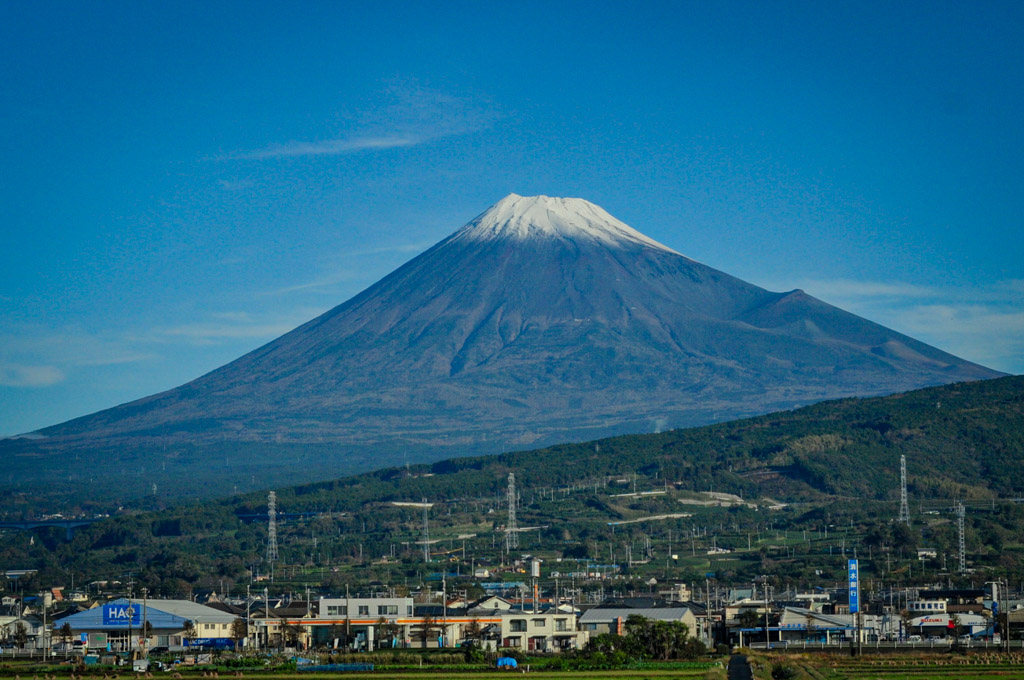
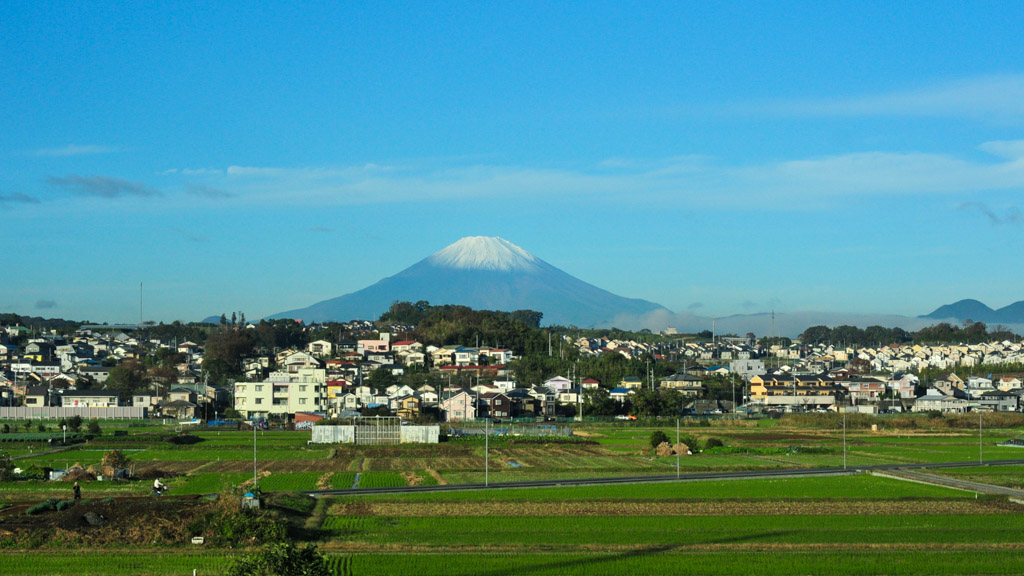
Few minutes after leaving Tokyo, through the wide and clean windows of the train, we saw the great Mount Fuji (Fuji-san), which is the highest peak in Japan, and one of the most sacred mountains.
Since childhood, trains were my most common and preferred mode of transport, especially for long distance travels in India. Traveling in a second class compartment of Indian Railways train those days (late 80’s and 90’s) was an experience by itself. The 230 km train journey to my mother’s hometown used to take at least 7~8 hours, but never boring. As kids, common pastime activities onboard were, climbing and jumping between berths; reading books or comics (routinely bought at the railway platform bookstall); noting down names of the 20+ stops en-route and even getting off the train briefly at some of those stations; conversing with unknown but friendly co-passengers, which usually starts with “എങ്ങോട്ടാ (where to)?” or “മോന്റെ പേരെന്താ (boy, what’s your name)?”. I remember exchanging letters and greetings with few of them, for a period, after getting introduced during such a train journey.
Most trains during those days didn’t run on time and were delayed, with extended stops at some stations to let oncoming trains pass and get access to the single track between stations. Punctuality of trains, probably never was a quality KPI of Indian Railways those days, and passengers like us more or less got used to the way things were, and seldom complained. These reflections from the past came across my mind during the extremely quiet Shinkansen ride covering almost 450+ kms in less than 2 hours, meeting scheduled arrival and departure timings at each station precisely.
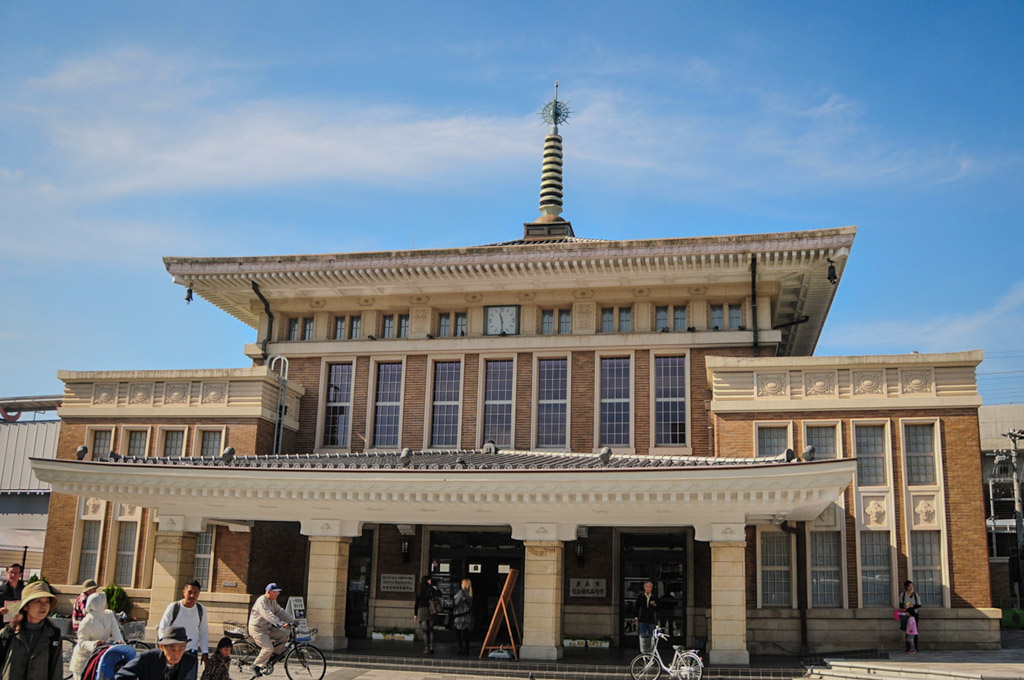
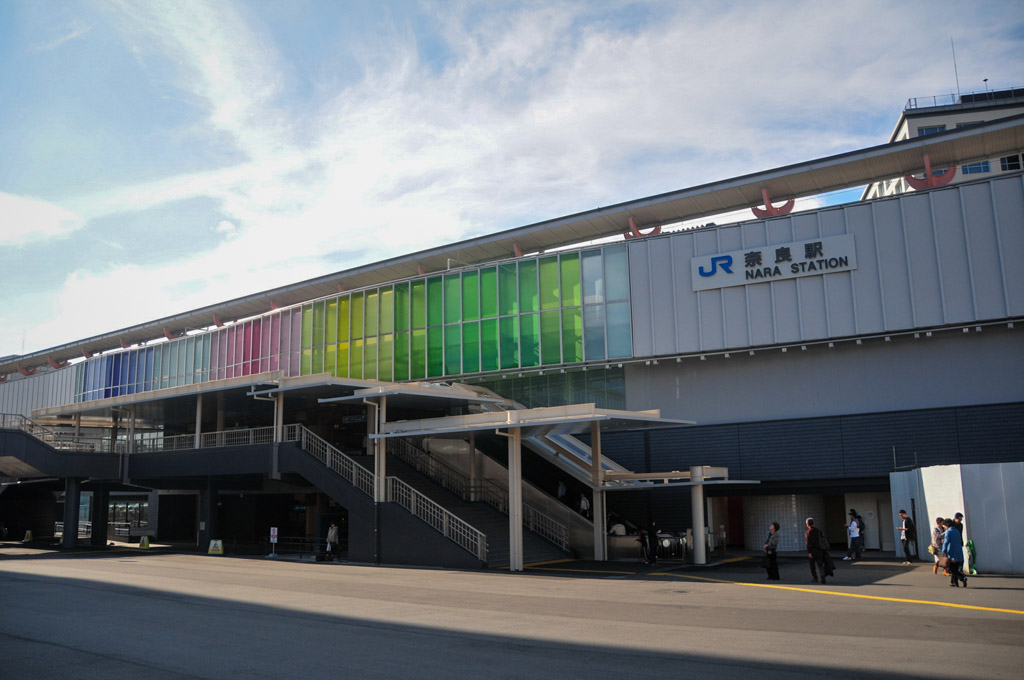
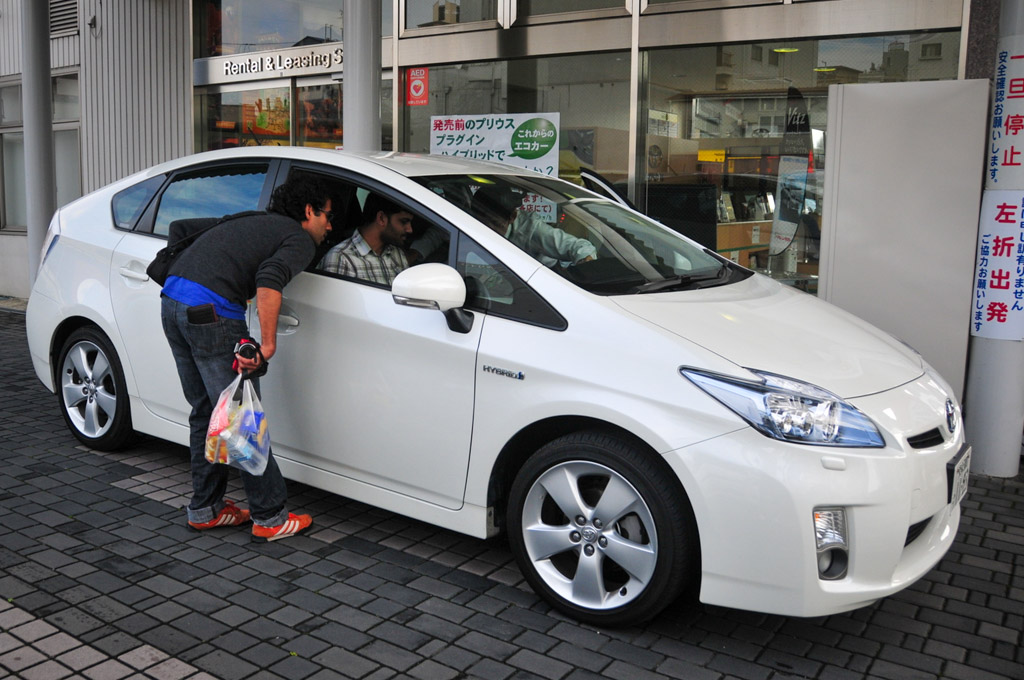
We reached Kyoto on time and took an express train to Nara, arriving there by noon. For convenience, a rented car was booked for our drive to Koyasan. The rental place was pretty close to Nara train station, and we collected a Toyota Prius. It would have been a nightmare to rent and drive a car, if Fazul wasn’t with us. The person at the rental place spoke almost no english, and almost ALL signboards / road names / instructions were in Japanese!
Koyasan
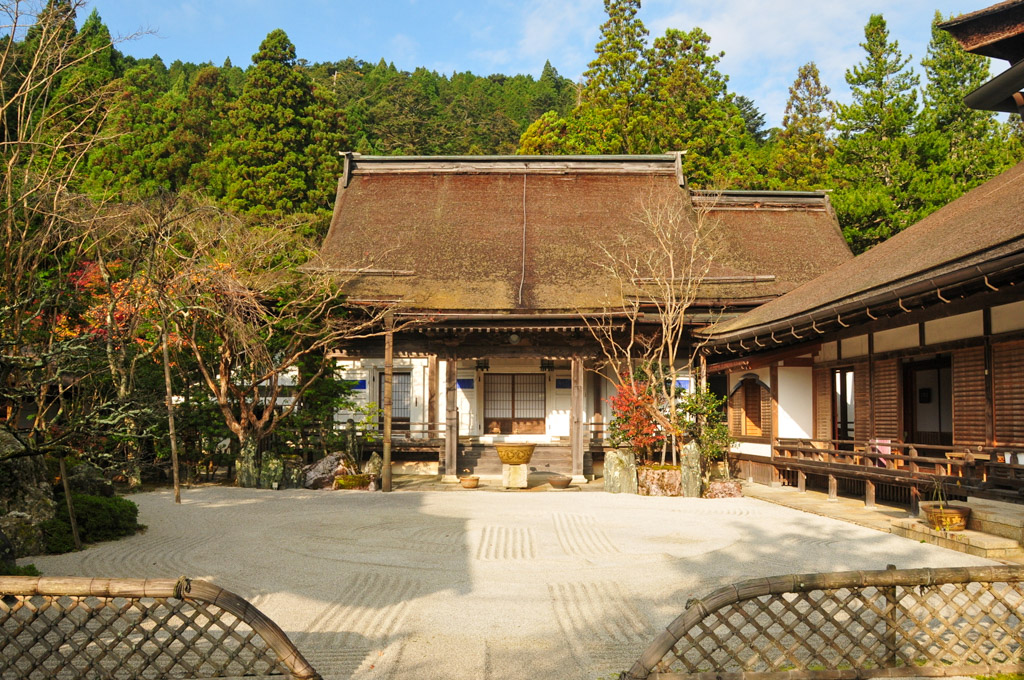
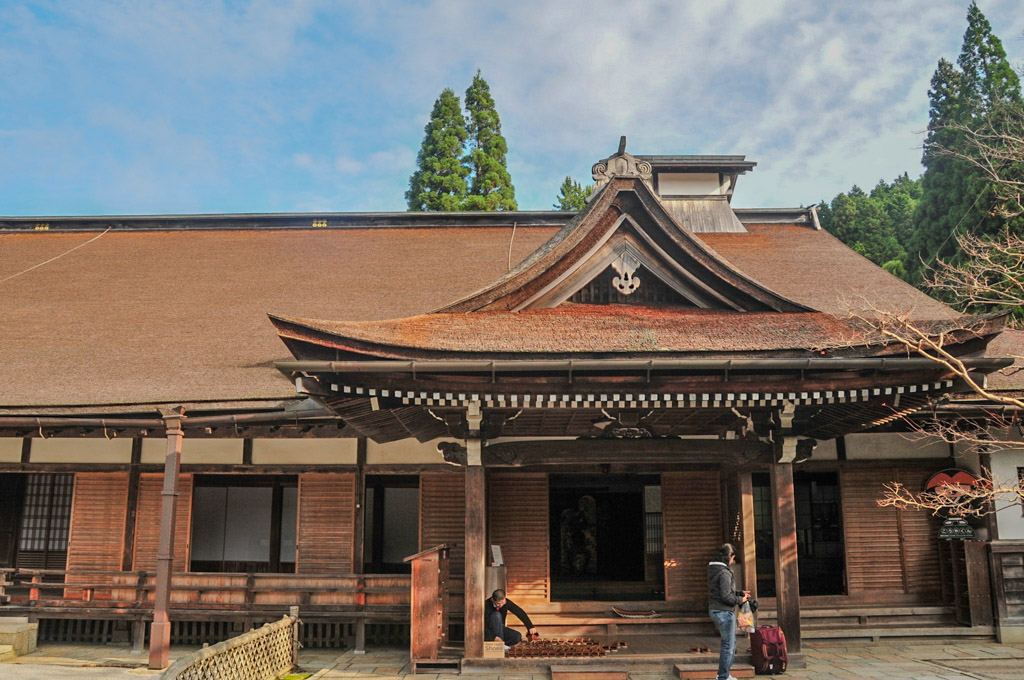
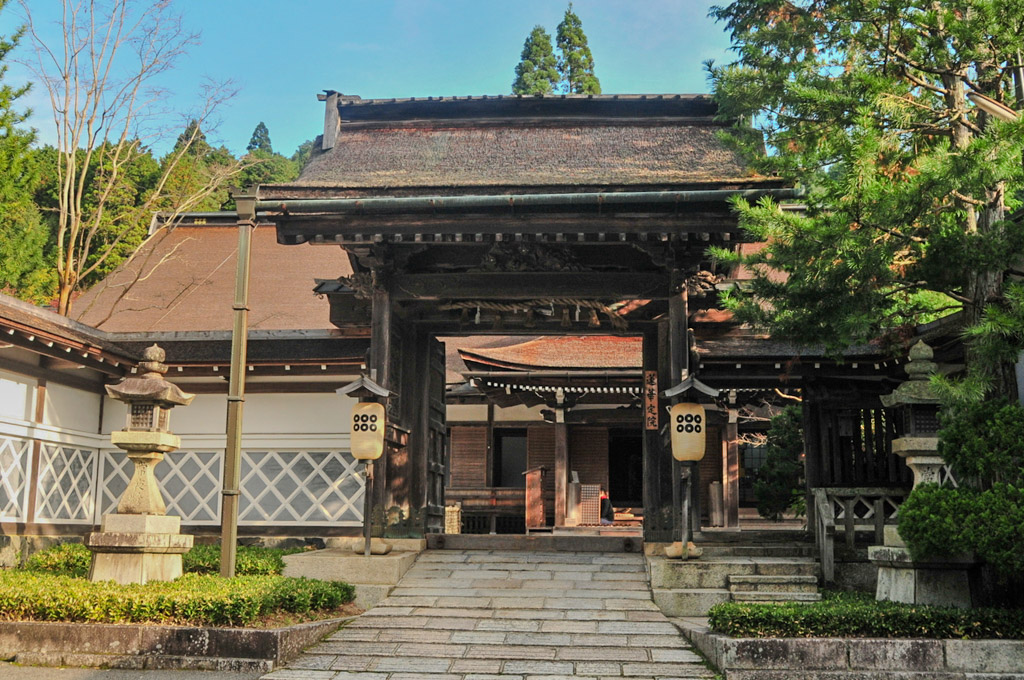
Without getting caught in much traffic, we reached Koyasan within couple of hours. Our stay was booked by Fazul at a traditional temple lodging called Rengejo-in. That was the only information we got from Fazul beforehand and nothing more; we didn’t know what to expect.
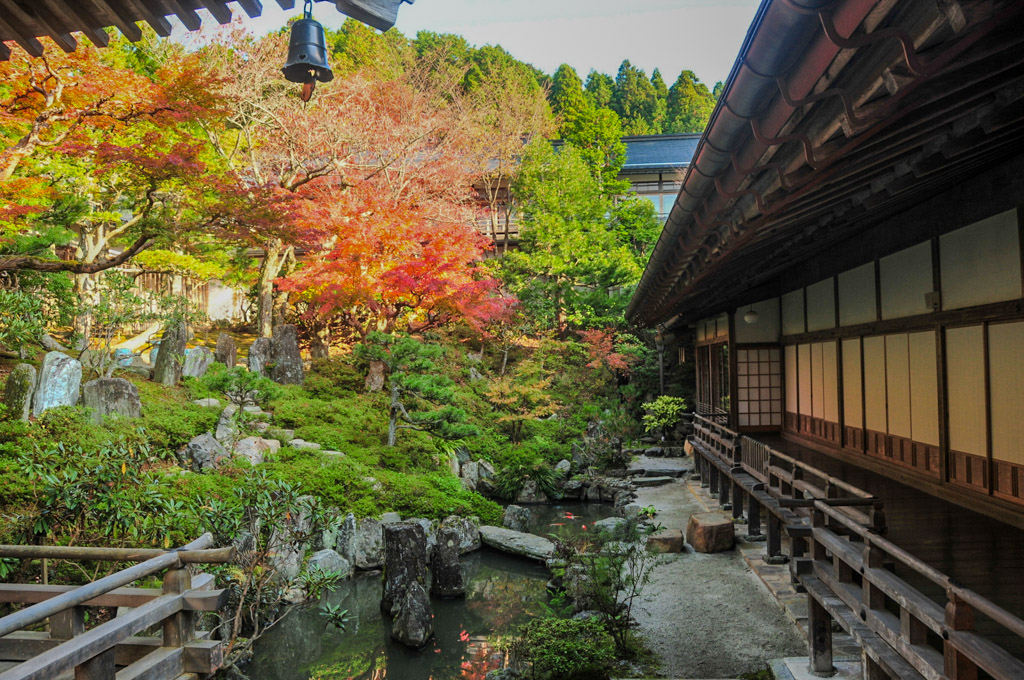
Stepping into the traditional lodging for Buddhist pilgrims was an amazing experience. The temple lodge was extremely well maintained by the resident monks and the rooms were very traditional with tatami (mat) flooring and paper walls (yes, literally, walls made of paper with wooden frames). The sufficiently spaced rooms had a tea table, simple bedding and space for our luggage. They had common / shared toilets and shower areas in the corridor. The package included a vegetarian dinner together with all other residents and monks and meditation / prayer sessions in the mornings and evenings (which we got to know after missing those).
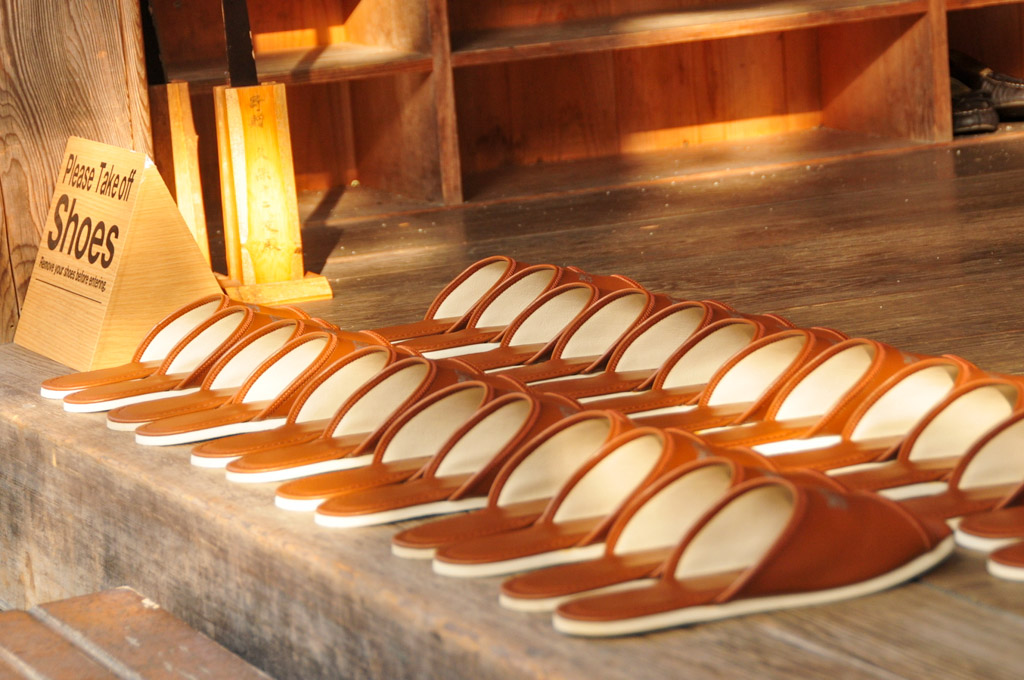
Within couple of kilometres drive from the lodge was the famous and sacred Okunoin temple. We wanted to visit the temple after getting dark in the evening, even though that was the plan for next morning also. After parking the car at the entrance, from the information board there we understood that the main temple hall was closed for the day. We still wanted to explore the area, before returning to the lodge within an hour for dinner. We walked through a narrow walkway towards the temple, and soon started seeing tombstones of different shapes and sizes along the way. As we walked, the ambience became more thrilling; a cold, slightly foggy and dark evening, eerie silence, dim warm lighting, in a space filled with old tombstones, fragrance of incense sticks and tall trees making the area appear darker; I occasionally felt mild shivers and goosebumps. While looking at each other and smiling bravely, we continued walking forward quietly, enjoying the atmosphere. After walking a few more minutes forward, we heard a girl scream far away! We stopped, looked at each other with scepticism if we should continue walking. Soon came another scream! That was it. We decided to end the adventure for that evening and return to the lodge for dinner. While walking back to the car park, we heard more screams and they were getting louder. It was none other than a bunch of youngsters who were returning back from their walk.
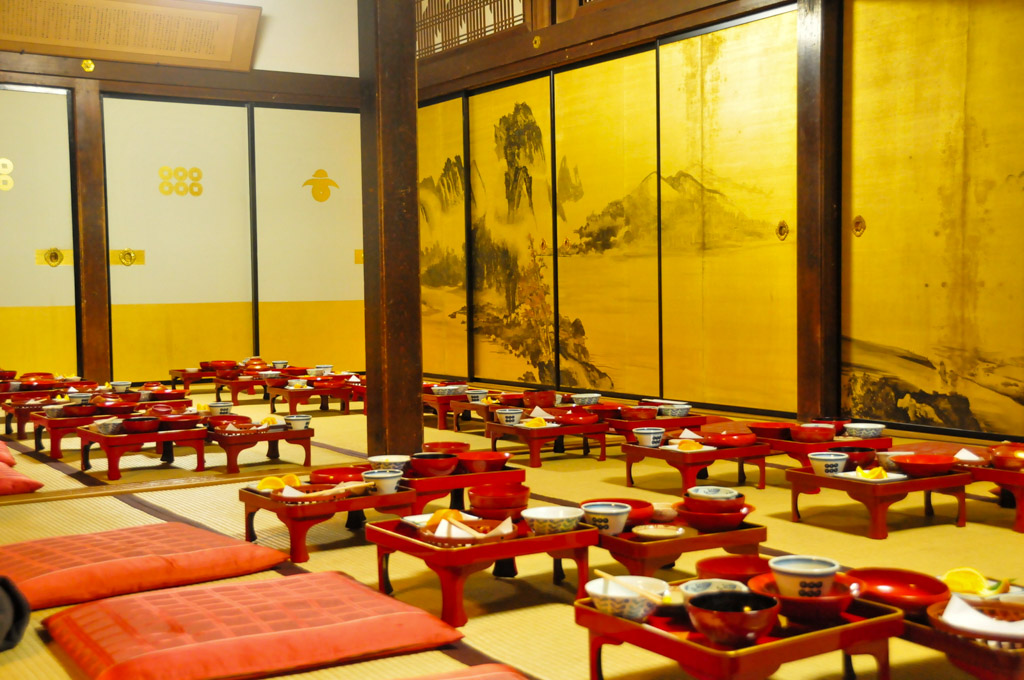
The vegetarian dinner served by the monks at the lodge, was very tasty, but the portion appeared to be very little. Surprisingly, that small portion of multiple dishes was sufficient for dinner and we didn’t feel hungry later that night.
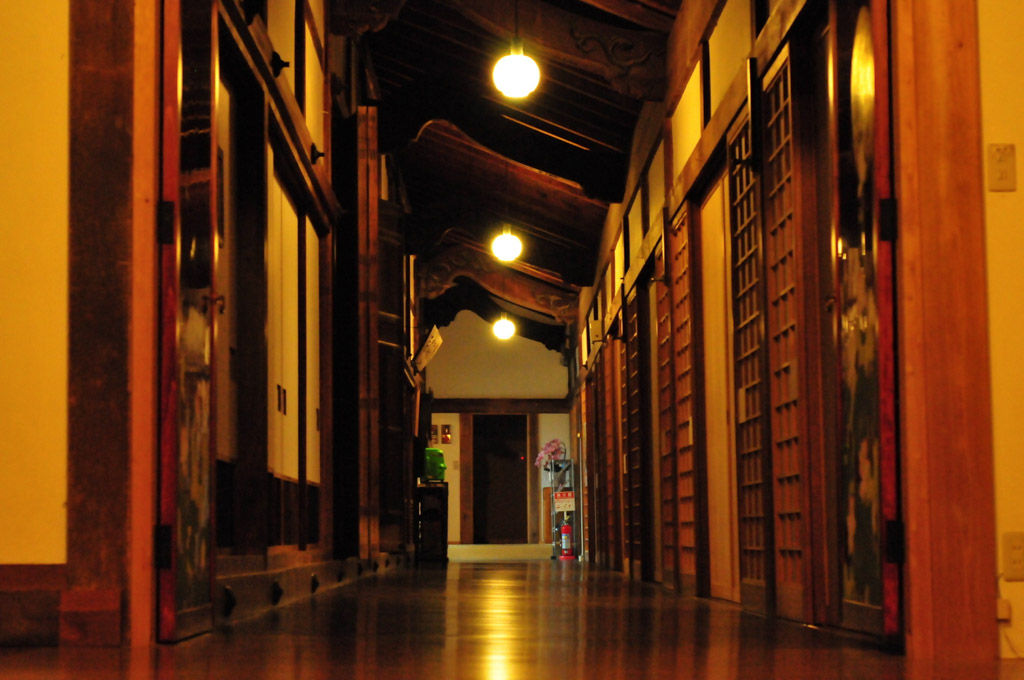
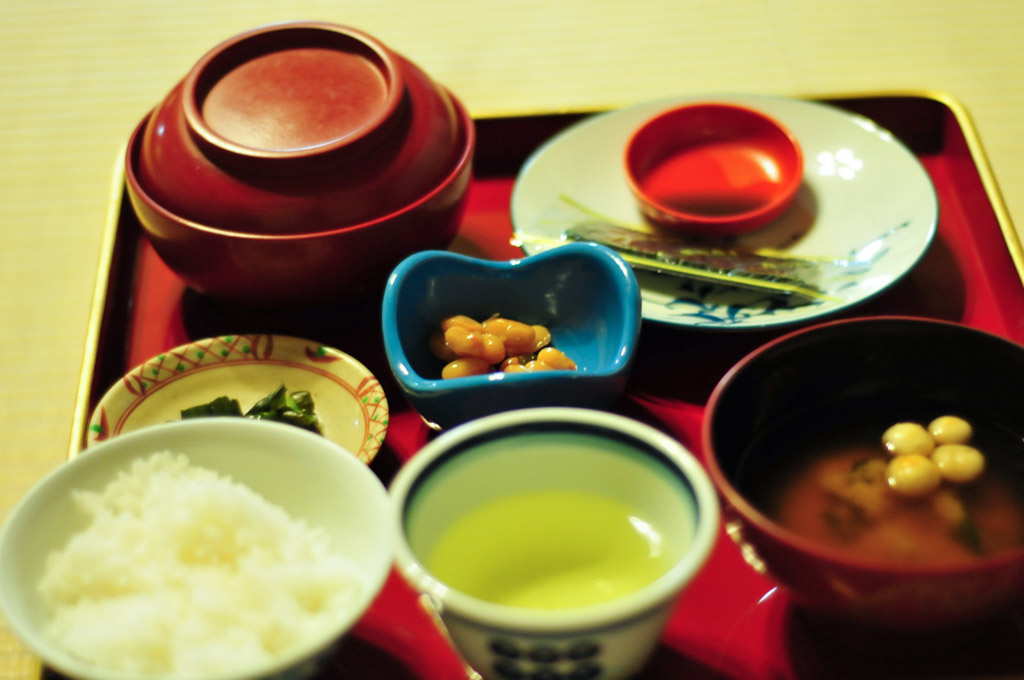
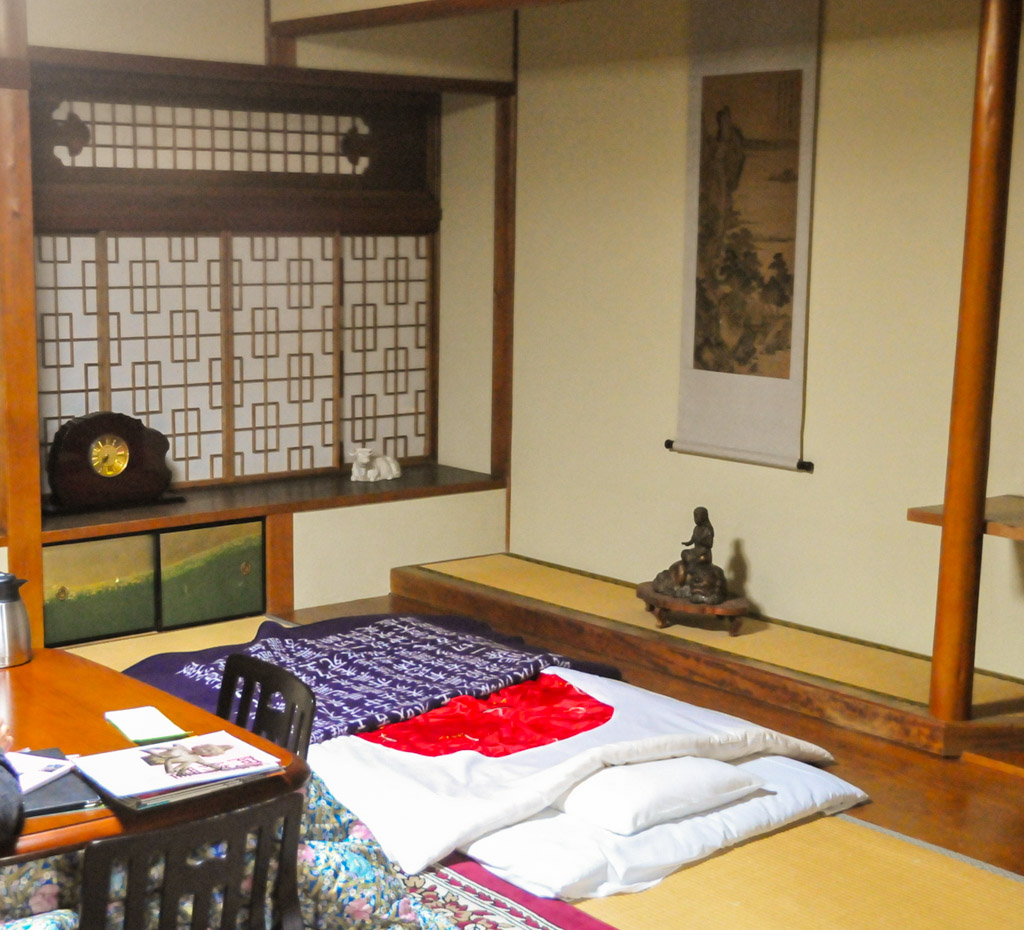
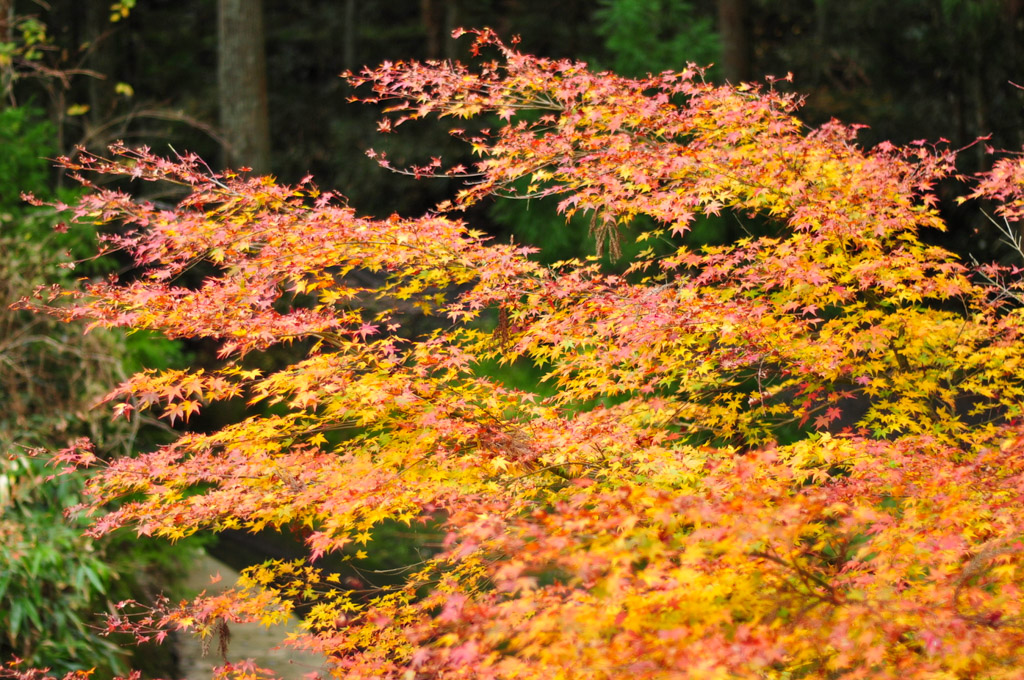
Next morning, we woke up to a sunny morning and lucky enough to see the autumn effect on many trees. After breakfast and few minutes of photo taking in and around the lodge, we went back to Okunoin temple and spent the whole morning there.
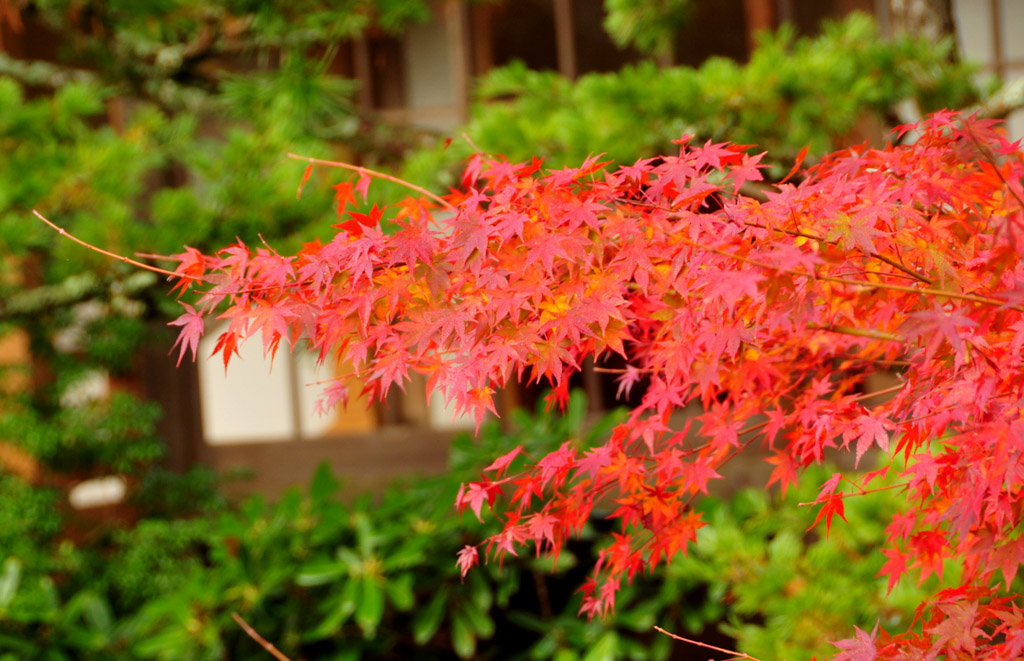
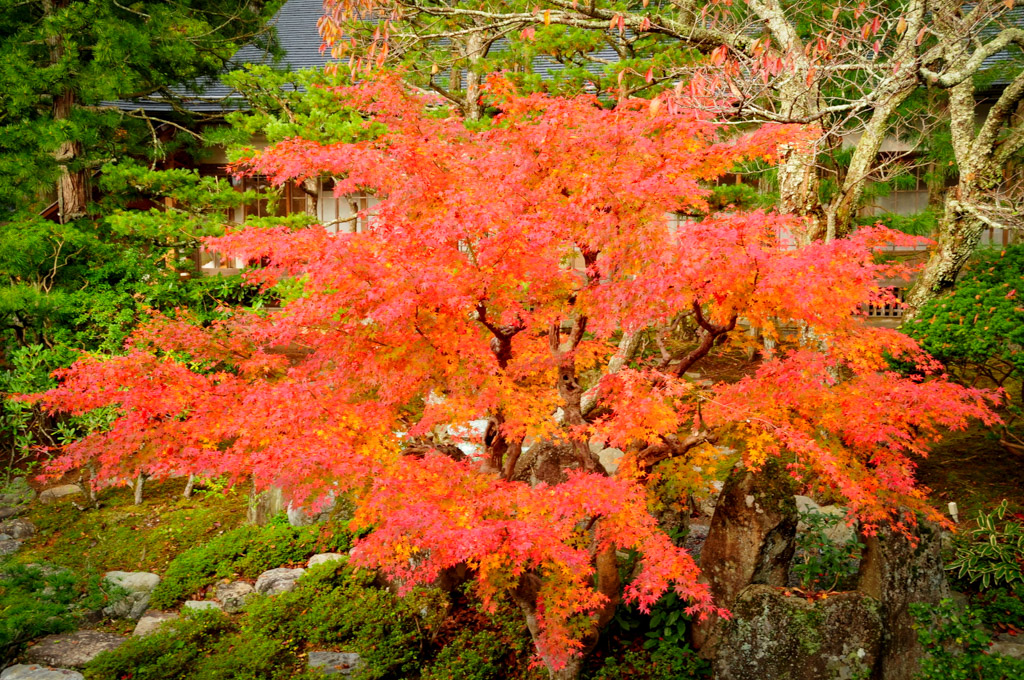
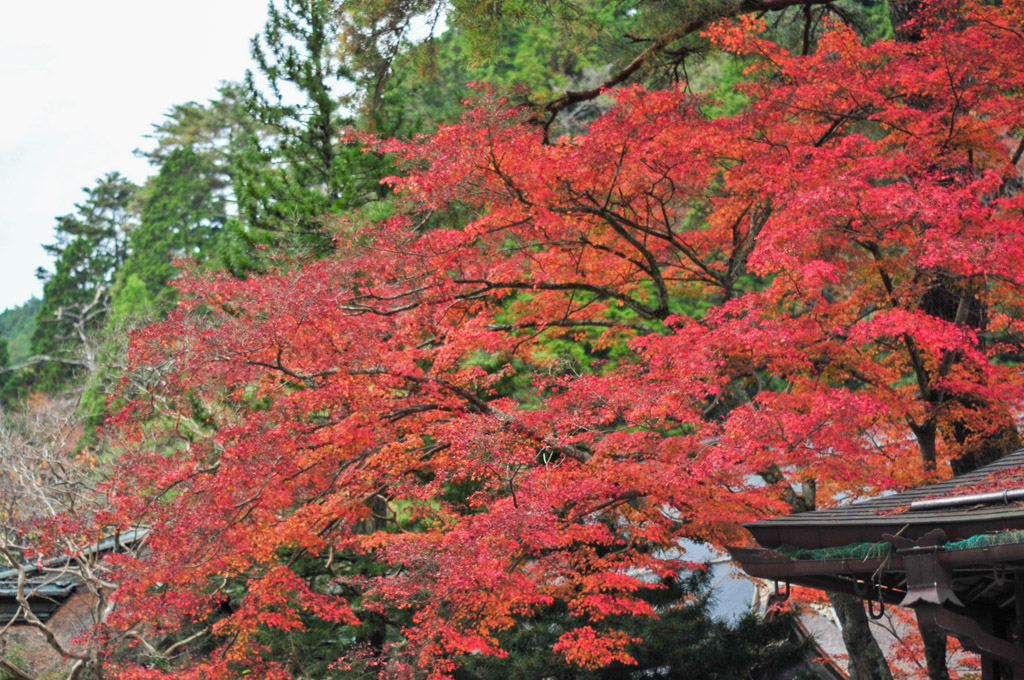
We walked through the same path we had walked last night to see several thousands of tombstones of people from many generations, along the walk way leading us to the main temple hall. The great master Kobo Daishi is believed to be resting in eternal meditation at that place; hence a very sacred place for followers of Shingon Buddhism, a sect founded by the great master.
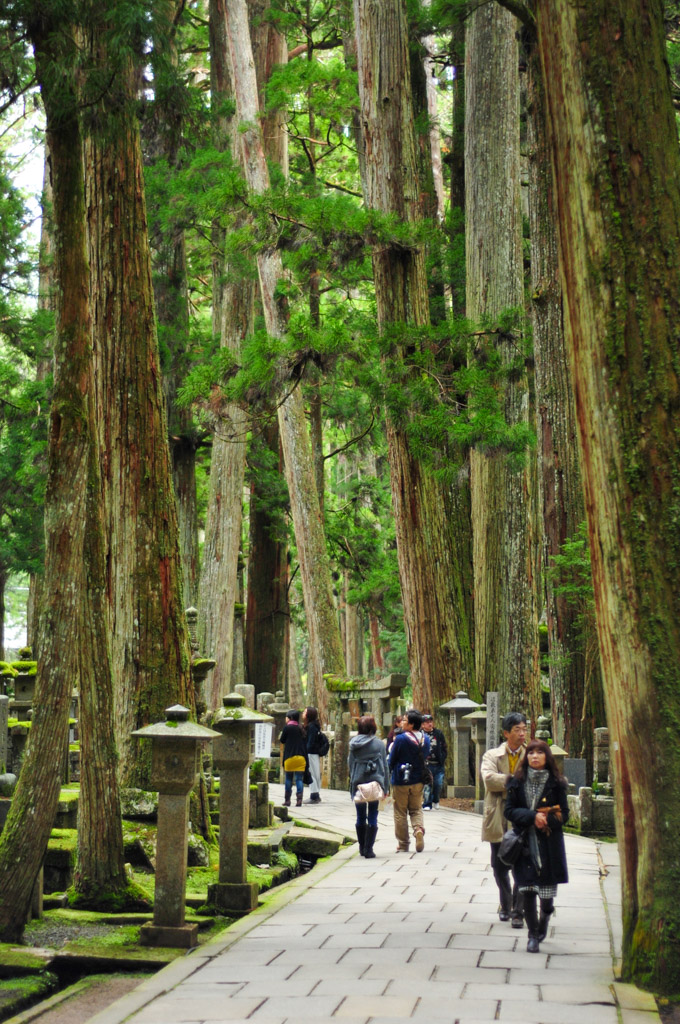
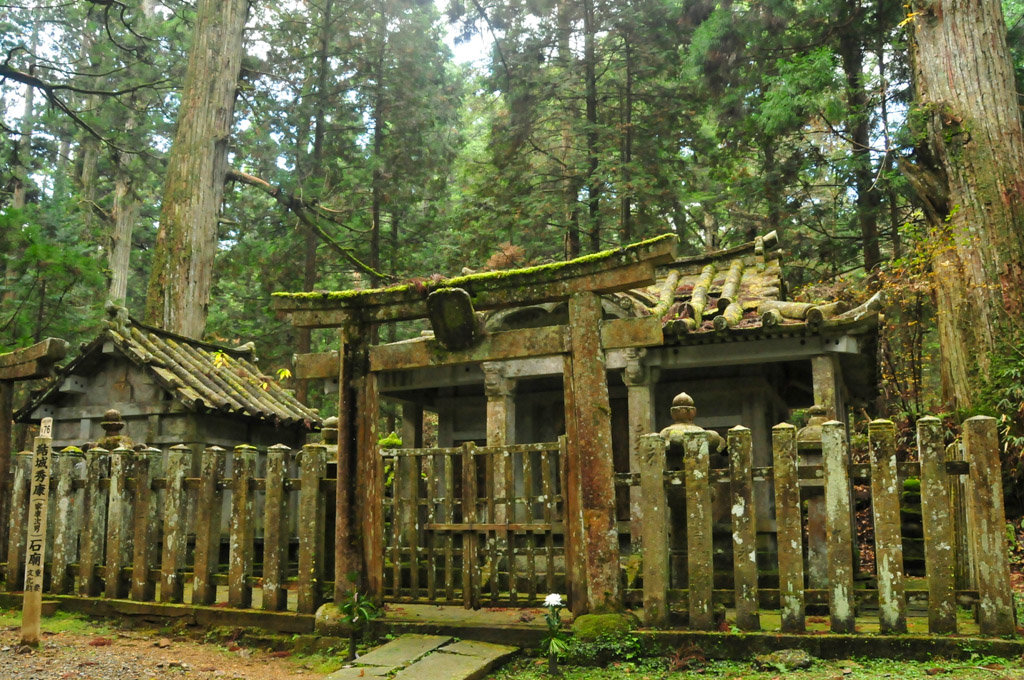
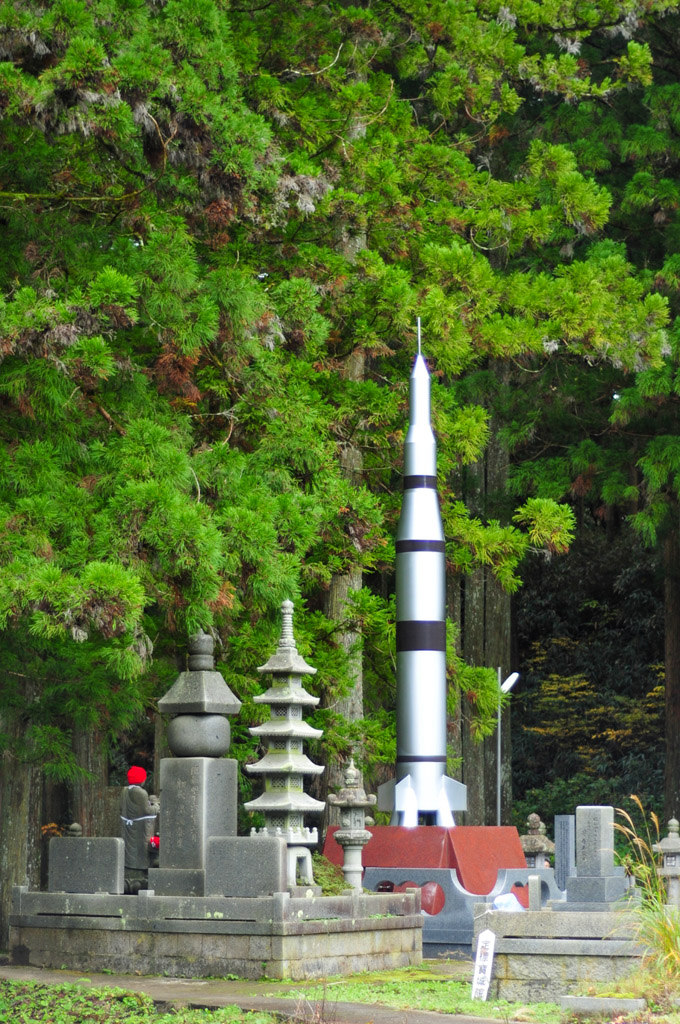
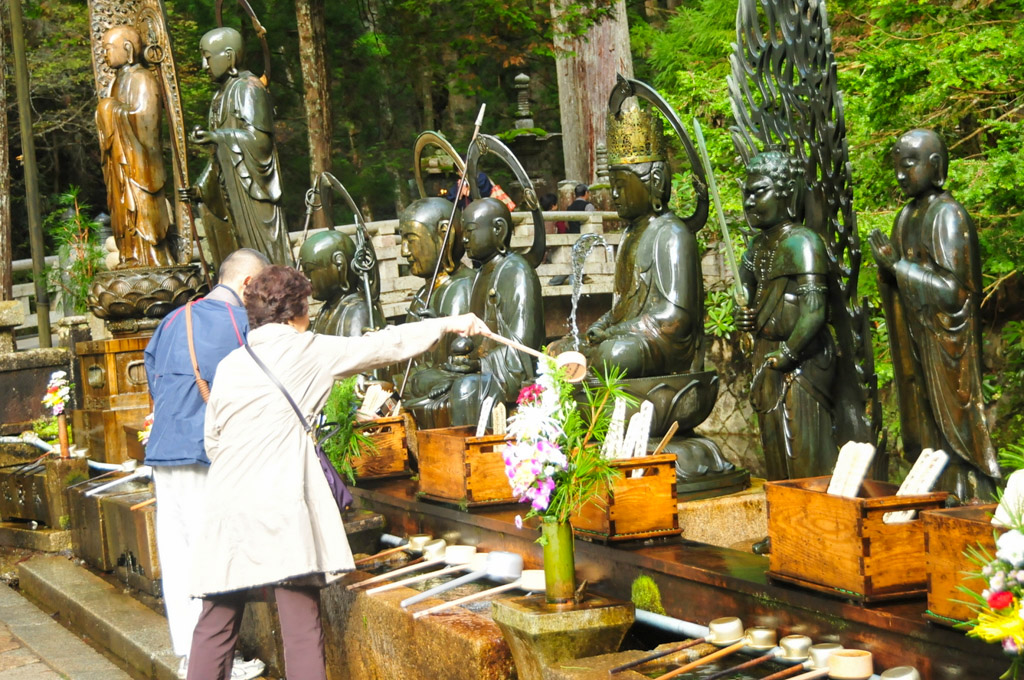
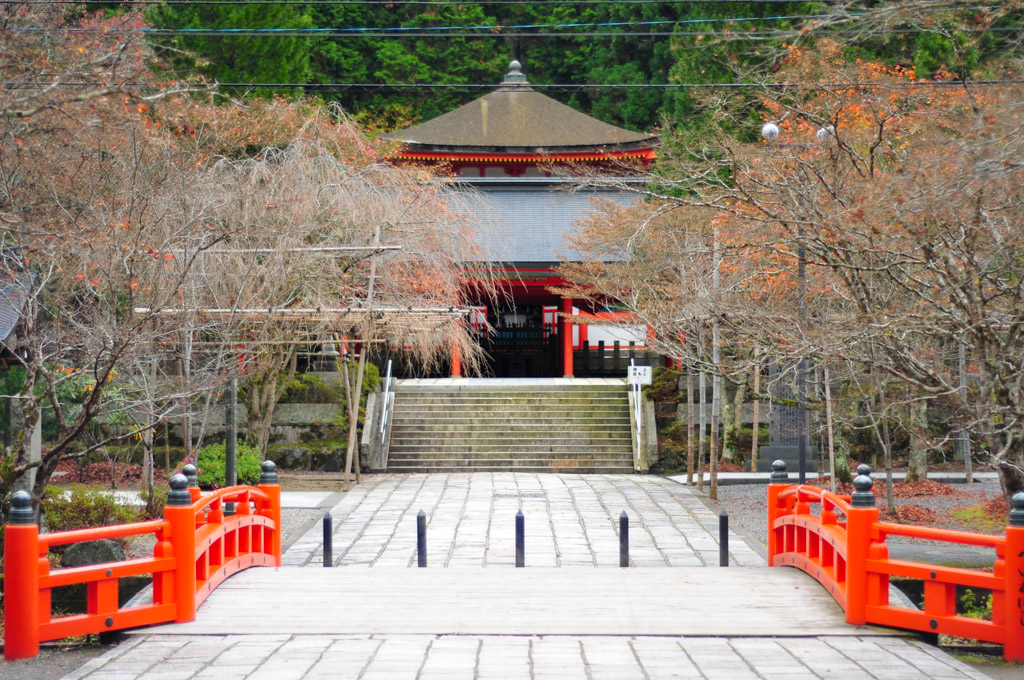
The area was quite big and we spent a lot more time than expected at the temple; but it was definitely worth the experience. We also visited couple of other temples in the area before heading back to Nara. Being a small town with no commercial restaurant chains, we had lunch from a local Japanese restaurant. That’s where we received the golden words in writing from Fazul that would help us a lot in the coming days – a piece of paper that said “we need vegetarian food – no meat, no fish, no eggs”.
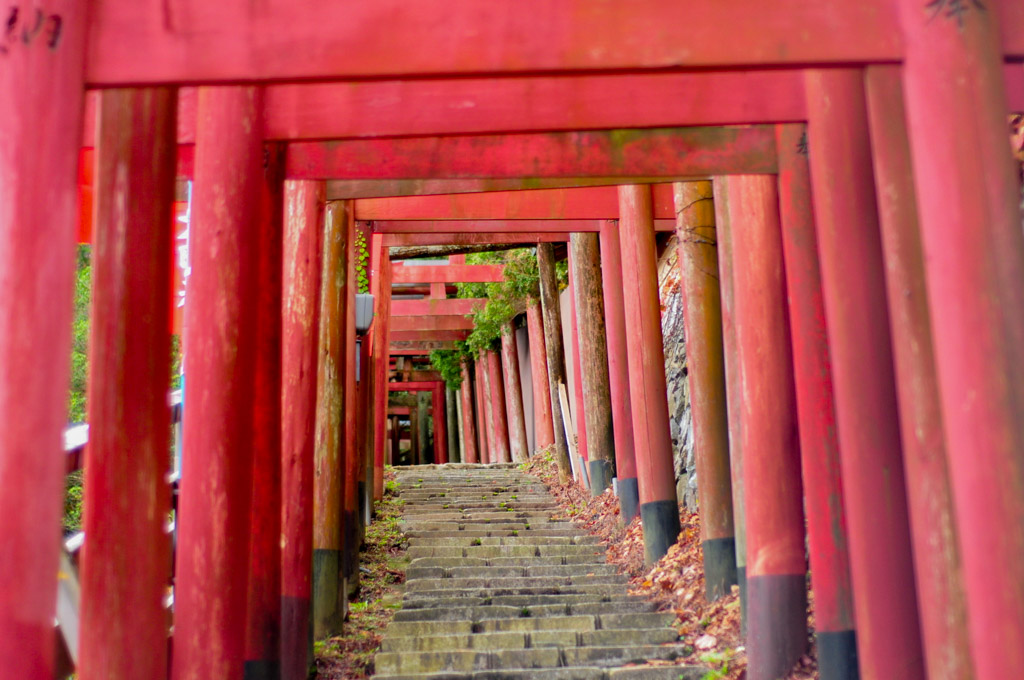
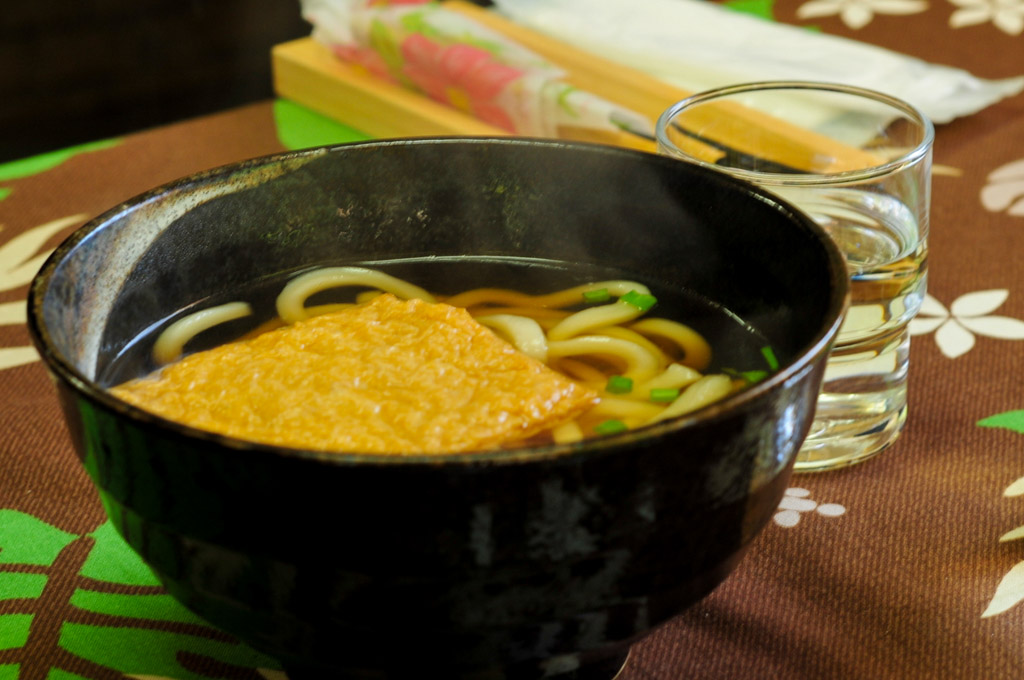
Due to the delay at Koyasan, the main attractions at Nara were closed by the time we reached back and returned the car. However, we spent some time walking around the most famous Todaiji temple with lots of deers around, before taking the train to Kyoto. While we checked-in at our hotel in Kyoto, Fazul took the Shinkansen back to Tokyo.
Kyoto
Kyoto was a much bigger and modern city. With only one day planned in Kyoto, we had to prioritise our valuable time spent there. We picked the most popular historic sites in the city – Kinkakuji, Kiyomizudera temple and the historic Higashiyama district.
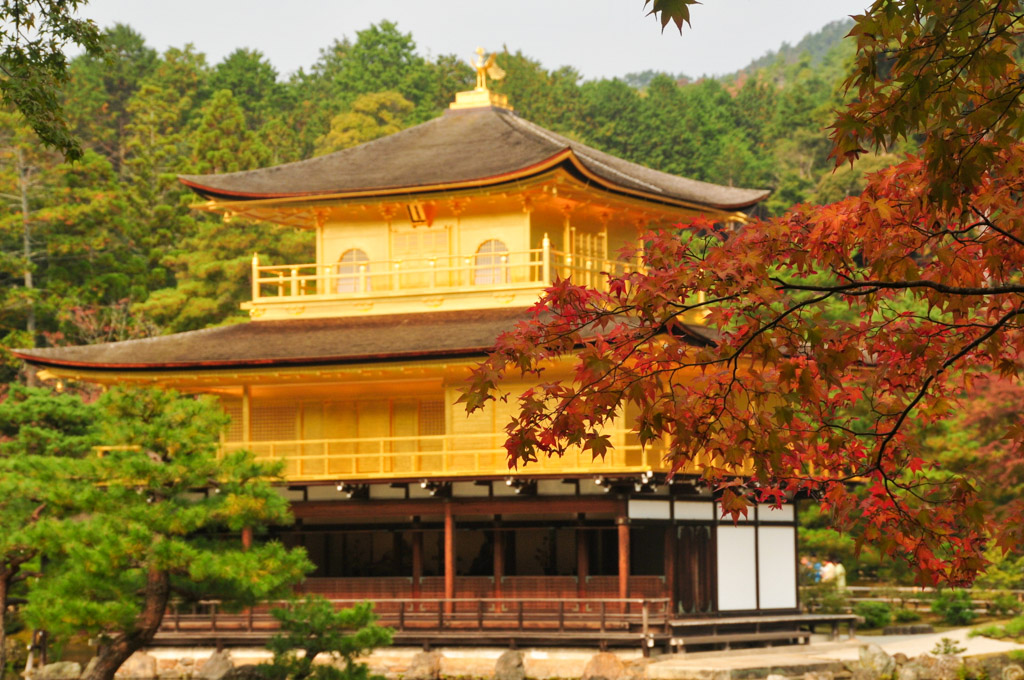
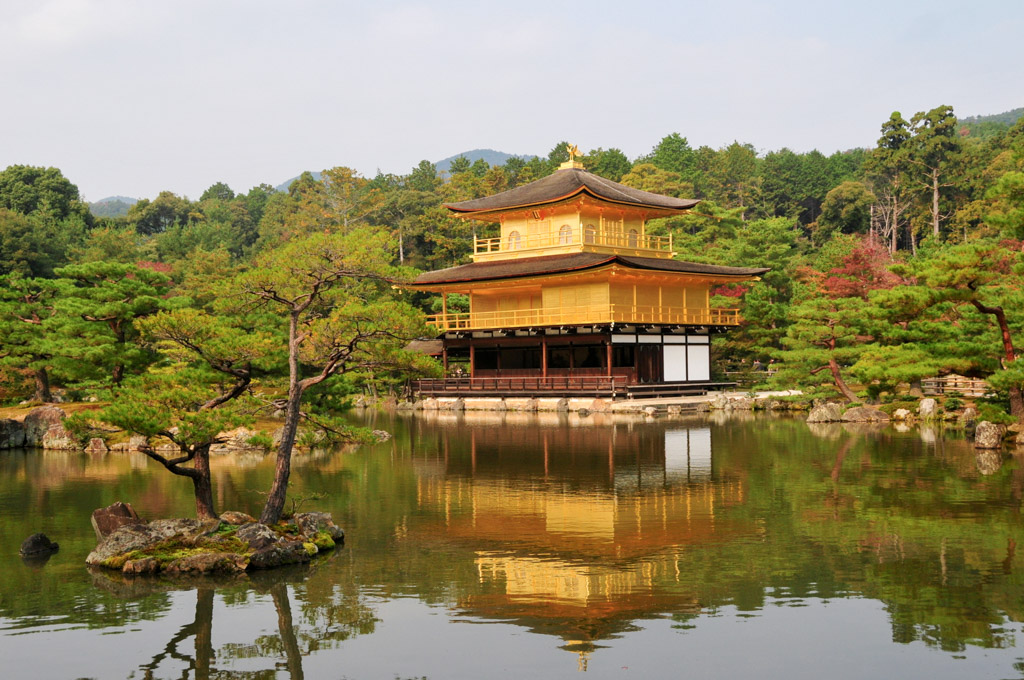
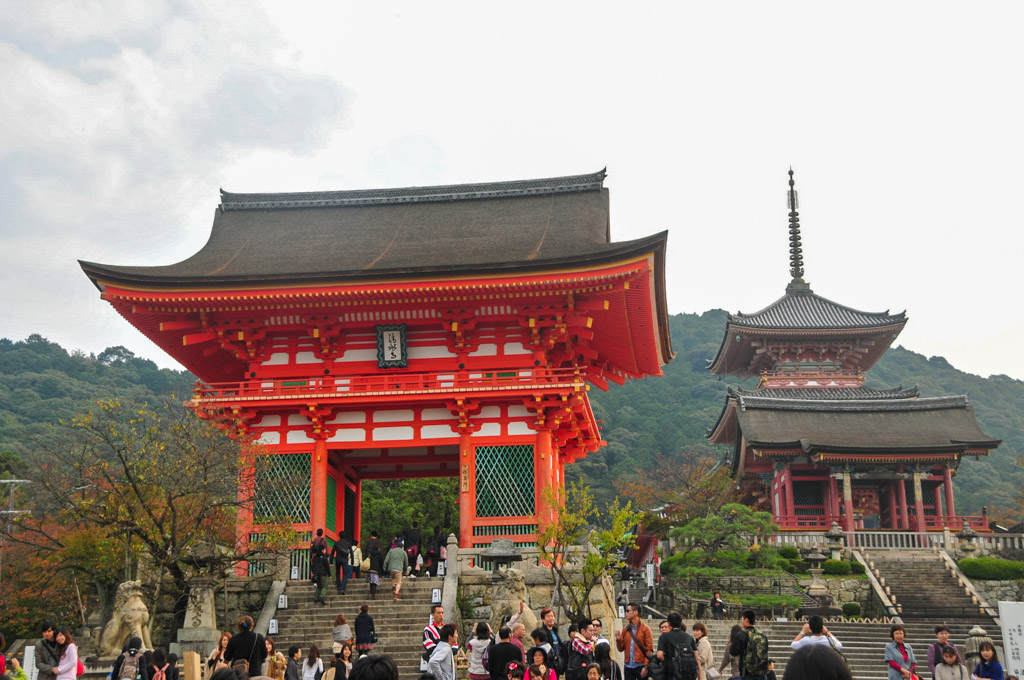
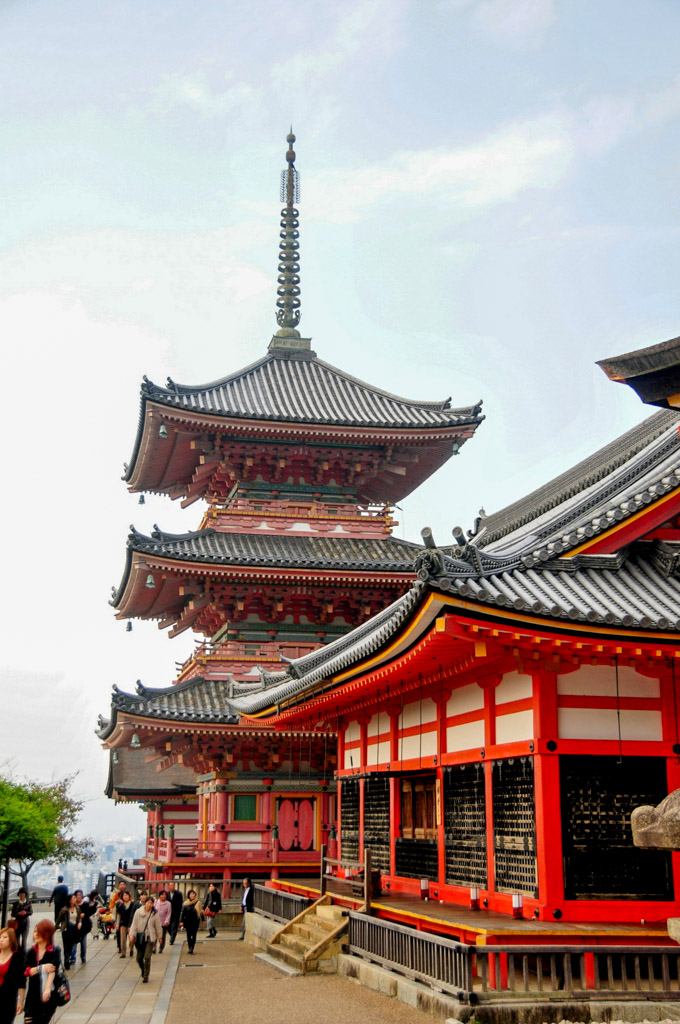
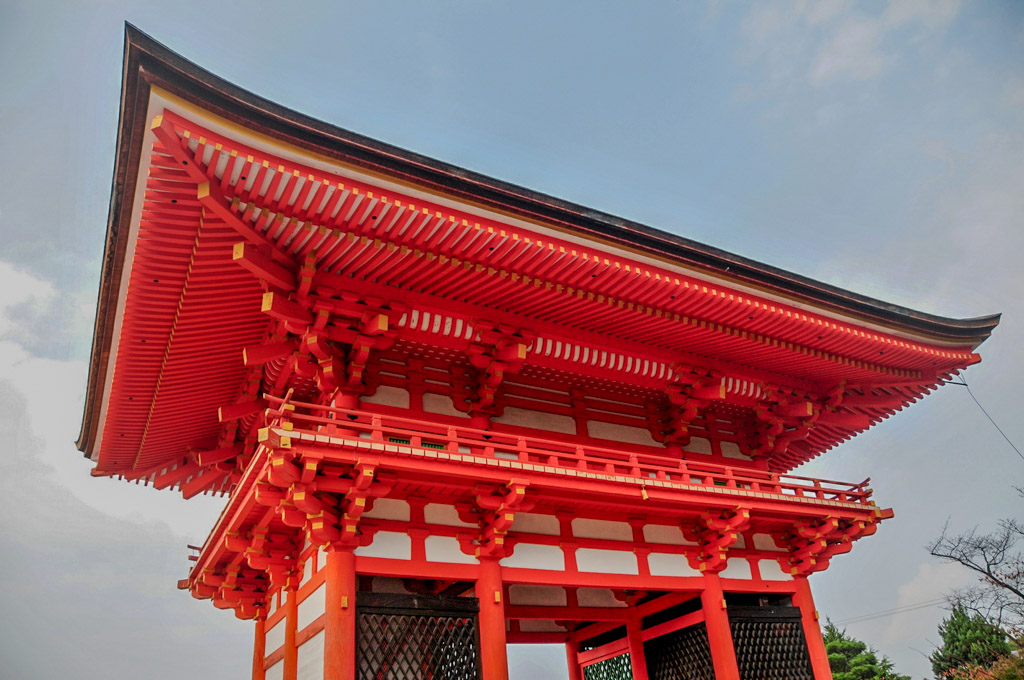
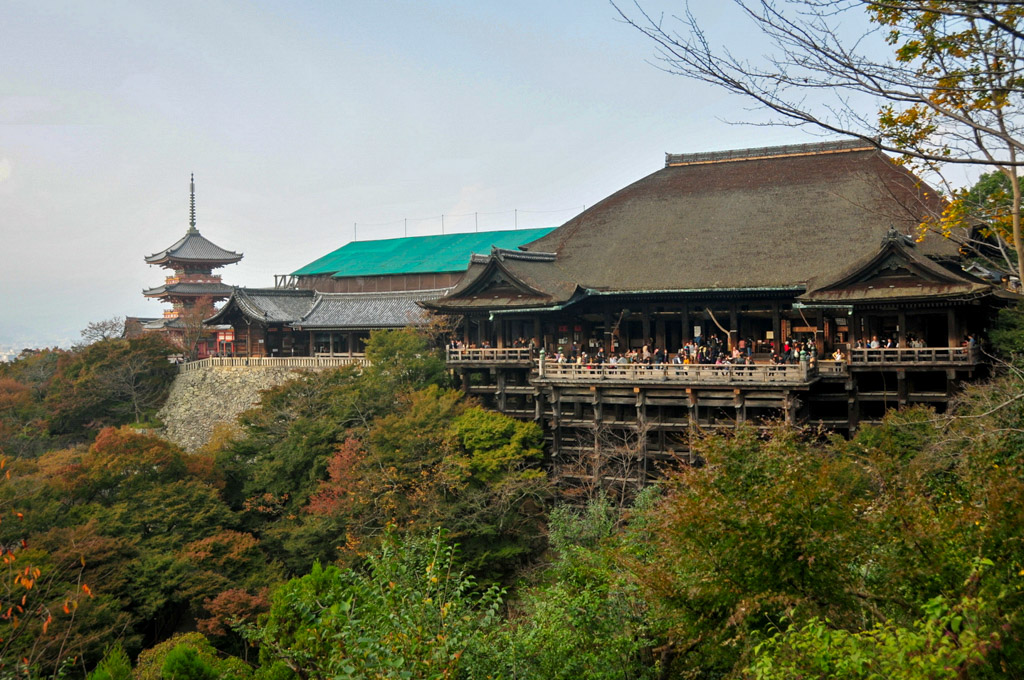
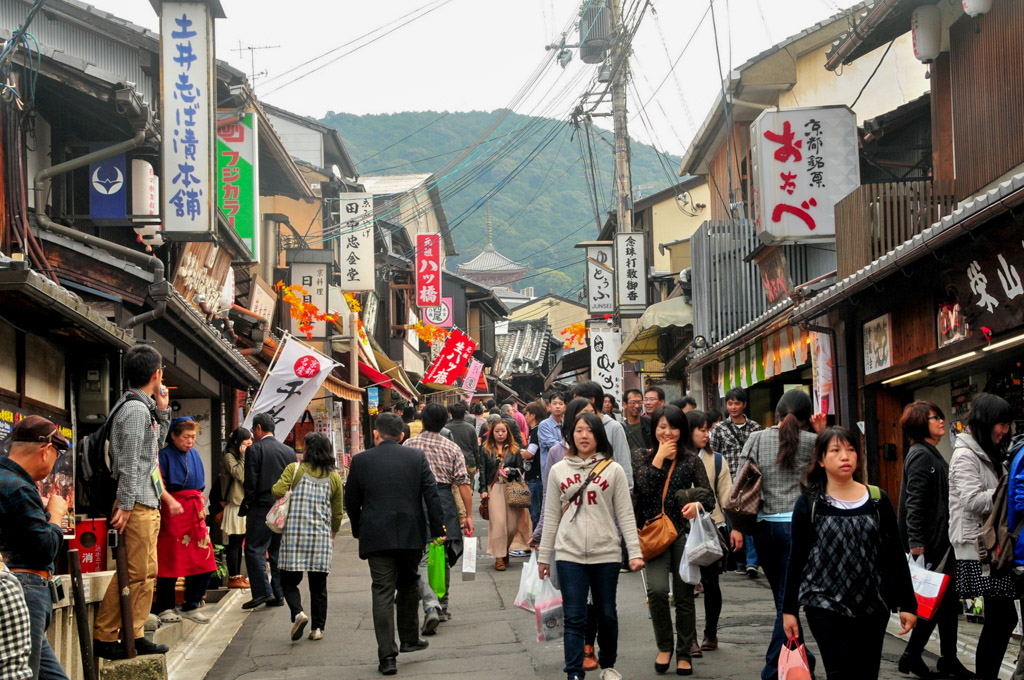
After the sightseeing at Kyoto during the day, we took an evening train to a small town called Takayama, where we spent the next three nights of our trip.
Continued in Part III – https://rsharma.blog/2025/05/08/japan-part-iii/.
 Life is a Journey..