My first and only visit to Japan was in November 2011, and this post is a recollection of that trip using my memory bytes and few photographs. Tourism landscape in Japan must have significantly changed over these years; with latest statistics showing, Japan had approximately 37 million foreign tourists in 2024, compared to only 6 million foreigners in 2011. That’s quite a growth and I’m pretty sure Japan (especially tourism industry) has adapted to be more ‘global’.
After getting married in June 2011, except few long weekend trips, we didn’t really have a vacation. One relaxed Sunday morning at home, we were scanning through different channels in the good old cable TV, and stopped when a video of beautiful places and colourful autumn leaves caught our attention. It was NHK world, a Japanese channel broadcasting a programme showing different parts of Japan during Autumn. We got hooked on to it and didn’t take much time to decide, that’s probably where we should go on our first vacation together.
The next few days were spent on planning and booking. Those were the days when a lot of travel content was not readily available online and most of Japanese websites were not available in English. We had to depend on Fazul, my good friend who used to live in Tokyo, travel books (lonely planet) and heavily relied on a website available in English with extremely valuable information & tips on visiting Japan – https://www.japan-guide.com/. Our plan was to spend majority of the time visiting Japanese countryside / smaller towns and couple of days in Tokyo. We booked our return tickets to Tokyo on Singapore airlines, with reasonable fares in mid November, which supposedly was a good time to see autumn leaves.
Visa application at the Japanese embassy in Singapore was a straightforward process. We managed to book most hotel and tours online, including the rail pass. For websites only available in Japanese (e.g., local tours / bus service / hotel) or required local payment modes, Fazul helped with the bookings for us.
Love in Tokyo
Probably it’s okay to use that title (originally from a 60’s Bollywood movie) for our romantic holiday starting in Tokyo; except that our romance will not be the focus of this post. After a 7 hours long night flight from Singapore, we reached Haneda airport by 5+ in the morning. Fazul was at the airport to receive us, and it was great to meet him after more than a year. From the airport, we took a train to the place (I believe it was Kawasaki) where we had booked our hotel.
During the ten minutes walk from the train station to the hotel, we were looking for trees with autumn colours, while our body was feeling the cold breeze and temperature around 12~15 degC. After an automated check-in at the hotel, we had the first encounter of Japanese technology, that too in our room’s toilet! A high-tech toilet seat, fitted with a control panel and different coloured buttons with Japanese characters and symbols printed on those. After experimenting a bit, we were able to figure out its purpose soon – a toilet seat with buttons to control the integrated seat warmer and bidet / cleaning mechanism. Not sure if we used it correctly, but to us, it served its purpose and we even started thinking if we should buy couple of these while returning!
After resting a bit and freshening up, we went out for breakfast, since our hotel didn’t have a restaurant (we even wondered if they had any staff, other than house keeping). We walked around the neighbourhood which looked like a shopping street, lined with fashion outlets, restaurants, bars, electronic stores and gaming arcades decorated with huge LED sign boards. Not far from the hotel, we found a Starbucks styled coffee shop and decided to go and grab a coffee and light breakfast. The moment I opened the door, a lady at the counter noticed us entering, gently bowed and said something in a slow and interesting tone. Before that lady was finished saying, every other staff (serving, working behind the counter, cleaning) at the coffee shop repeated it in the same style. They were not totally synchronised; multiple voices repeating the same with a very short delay in start, gave it an echoing effect. We understood they were greeting us, but were curious about what they said. While waiting at the ordering counter, one of their customers exited from the same door. There was another ‘echoing’ repeated then. This wasn’t exactly the same as the one earlier.
The staff who served us spoke english reasonably well, and explained the greetings: for those entering ‘Ohayo gozaimasu‘ (good morning) and those leaving ‘Arigato gozaimasu‘ (thank you). In the next 20+ minutes we were having breakfast, we noticed this ‘echoing’ repeat each time someone entered or left the place. Also, each time they greeted, the pleasantness and consistency in their tone was the same. That’s probably our first encounter of Japanese culture of respect or hospitality; greetings were not just a formality. They, most likely, really mean it! I’m pretty sure I haven’t experienced this in any other places I have visited; except one or two international retail / F&B chains, where the staff are ‘trained on similar greeting routines’.
First day in Japan was planned with a visit to a place called Kamakura, outside Tokyo city. Two main reasons for choosing this place were, to explore a historic place outside Tokyo as a day trip, and a place recommended to experience autumn colours.
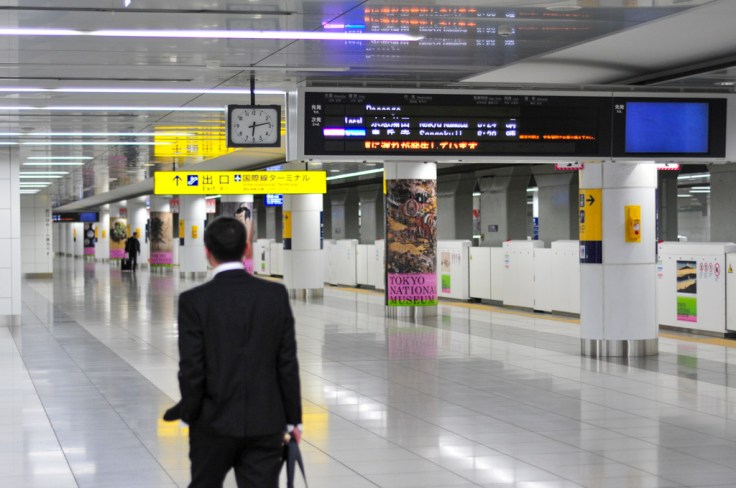
With taxis being super expensive, train was our primary option for transport in Japan. However, language was a challenge then; very few signboards / information displayed in english (hopefully, it’s much better now in 2025). From our nearest train station, we had to reach Yokohama station first. While waiting at the railway platform, we saw heavily crowded trains towards the city in the morning, where railway staff had to push passengers into the compartment, for the train doors to close. Fortunately, we didn’t have to experience that, as we were traveling in the opposite direction, to the south of Tokyo, with much lesser crowd! First thing to do at Yokohama train station was to exchange the voucher and collect our japan rail passes, with a validity of seven days. After activating our japan rail passes, we could board all JR trains – local to express (Shinkansen) using that pass. Seat reservations were required / advised on some trains like the Shinkansen express trains. Using the railway map (yes, the physical paper one) and directions from the information counter at Yokohama station, we took a local train to Kamakura. The train journey from Yokohama to Kamakura in Kanagawa prefecture took approximately 40 minutes, and we reached there around 1 pm.
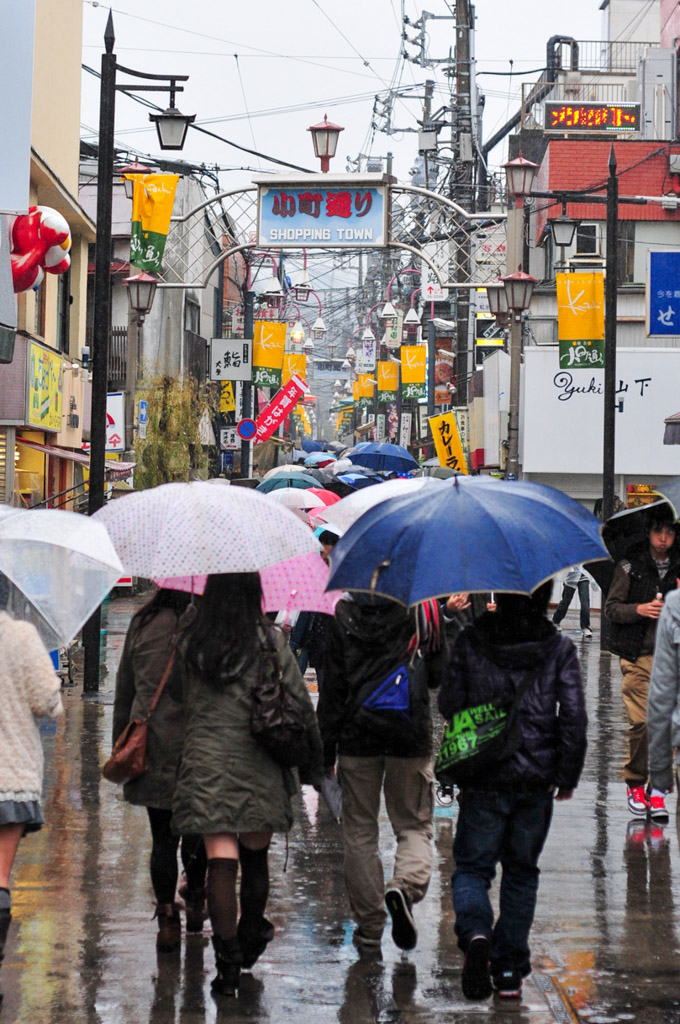
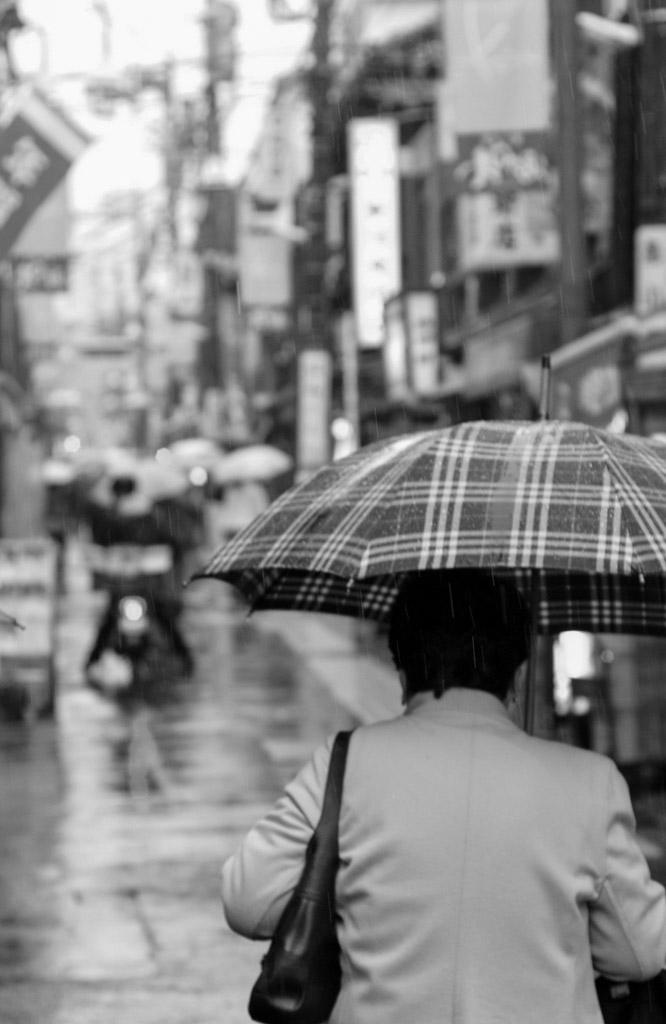
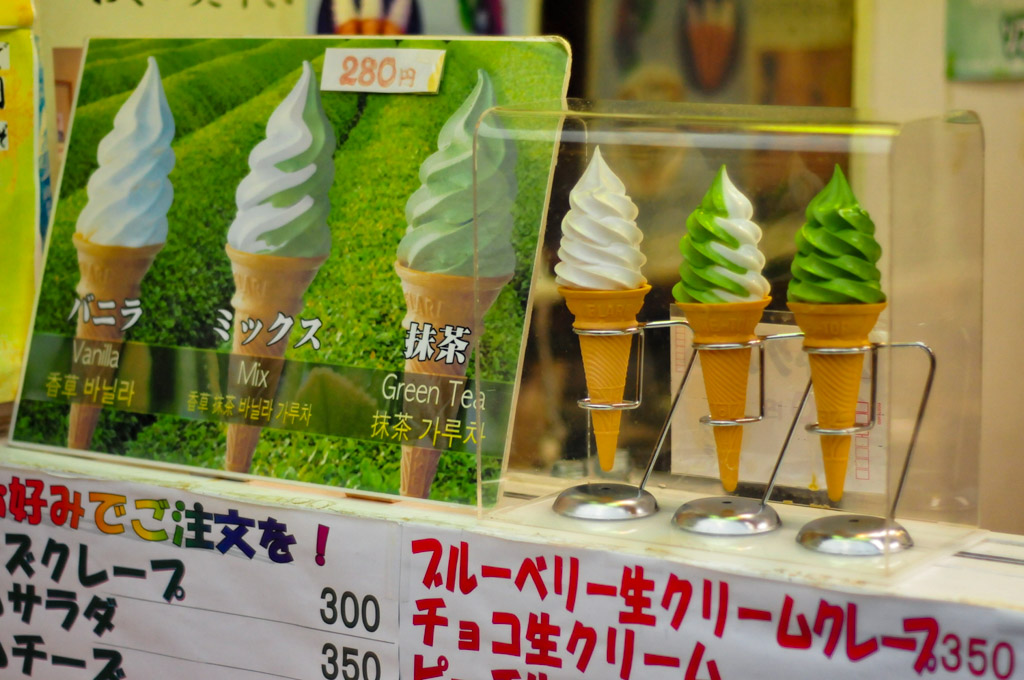
Against our plans, it was raining when we reached Kamakura. While waiting for the rain to subside, we had lunch from a restaurant near the train station and a green tea flavoured softy ice cream. Even though many trees had colourful leaves, the wet and dull weather didn’t give the expected autumn appeal.
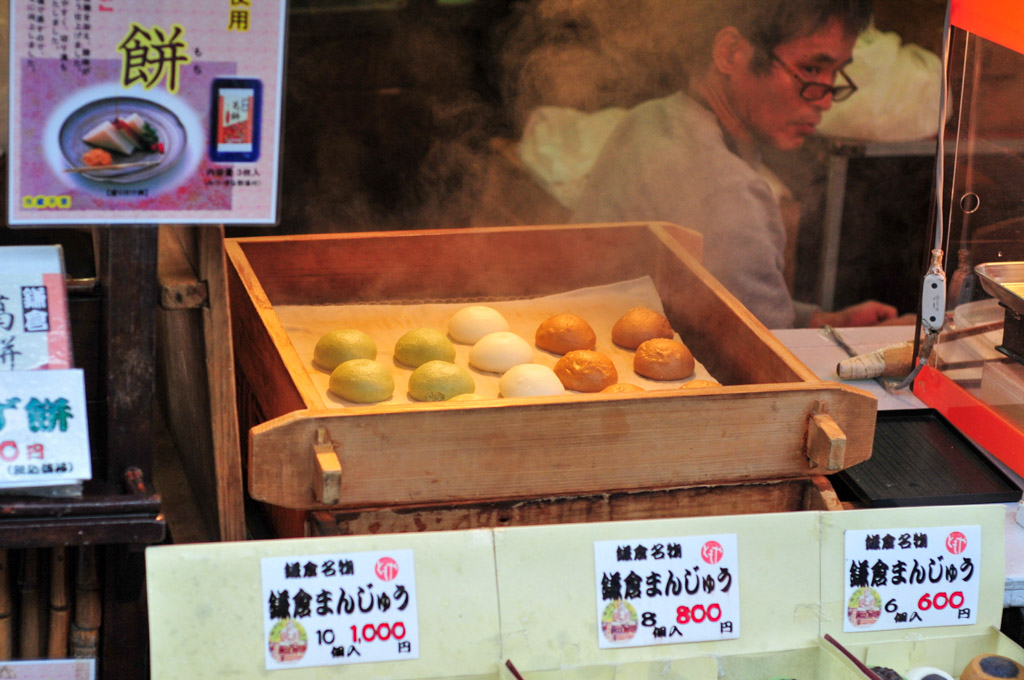
We walked along the popular Komachi street, a narrow lane filled with restaurants and shops that appeared to be busy even during the bad weather. Something I found interesting in most Japanese restaurants is the look-alike fake dishes they have kept on display for almost all items in their menu. We could check the visual appeal and presentation before ordering it. Probably appearance matters most, for some!
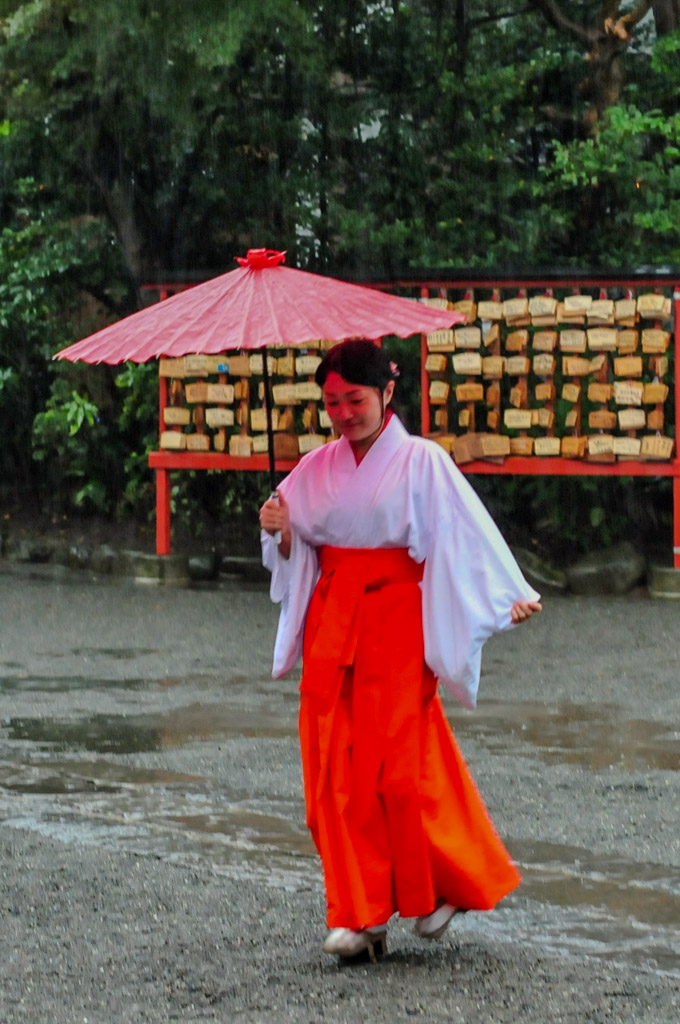
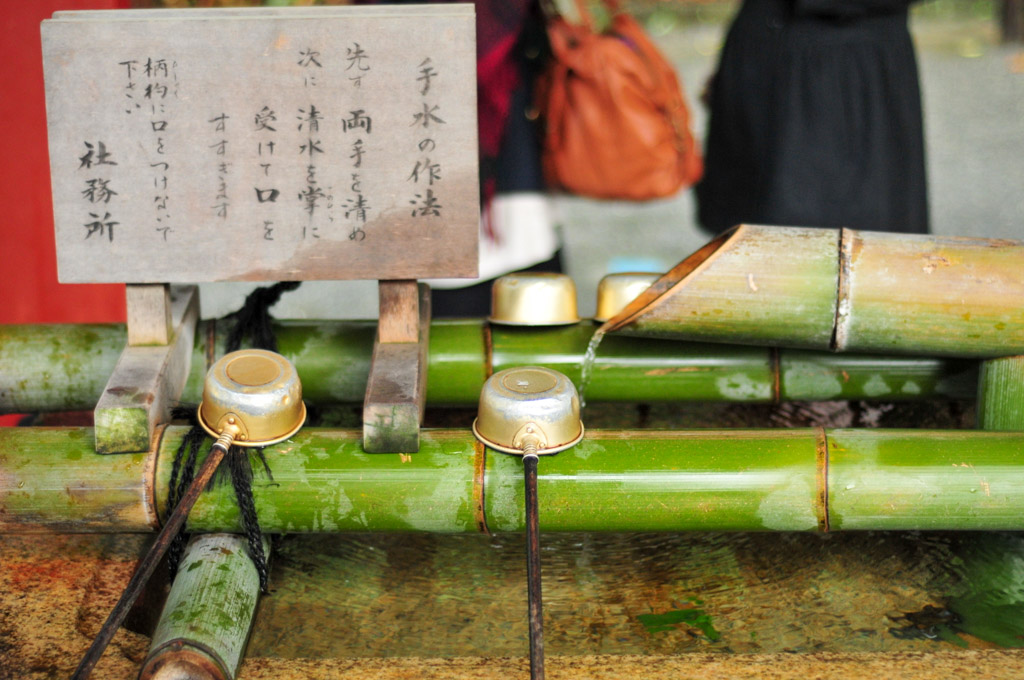
Then, we visited Tsurugaoka Hachimangu, a Shinto shrine built in the 11th century. Shintoism is the religion that originated in Japan. The shrine appeared to be very popular among local tourists and was busy with religious activities that afternoon. We noticed a small shed with a stone tank where water was continuously flowing in through a bamboo, and ladles placed on the top. We assumed this was for some form of purification or holy water, but were unsure on how to use it. We waited to see someone use the fountain, until a lady dressed in a very traditional white and red dress used it. Similarly, we scooped the holy water with a ladle, and purified ourselves by washing our hands.

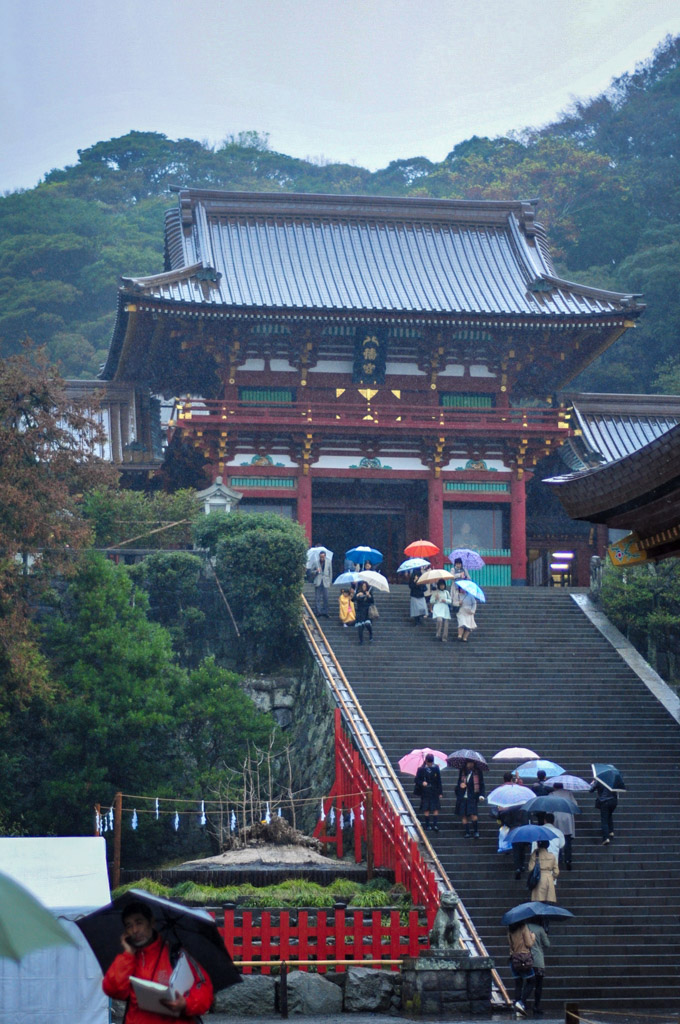
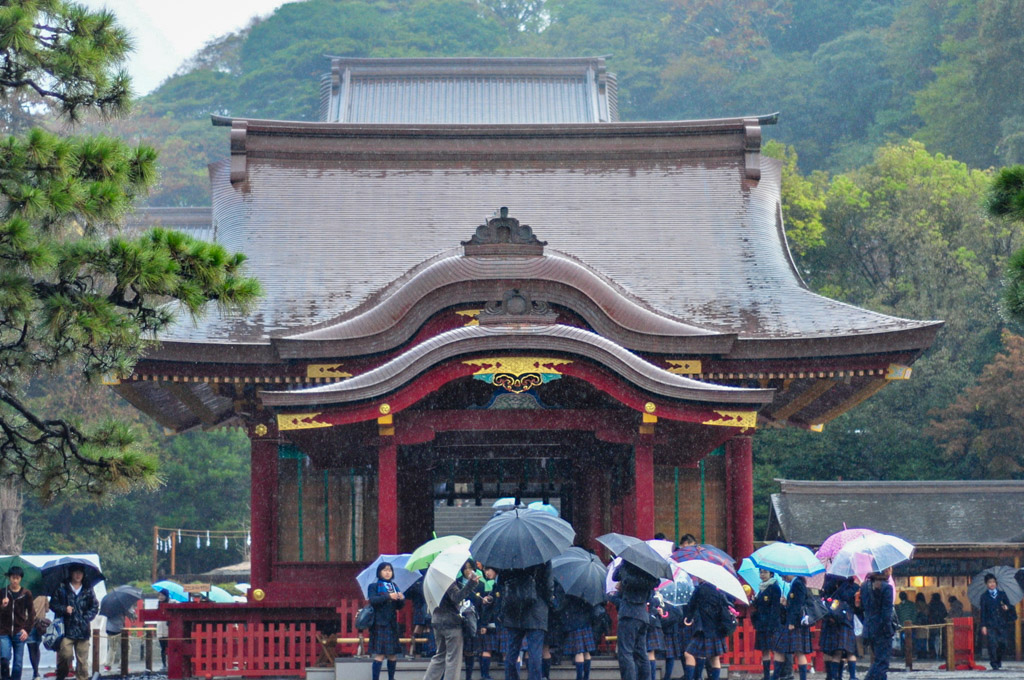
It was continuously drizzling the few hours we were there, resulting in us cancelling some of the places we wanted to visit, including the Great Buddha, Houkokuji, and Hasedera Temple. After the short tour of Kamakura which didn’t go exactly according to our plan, we returned to our hotel by 5pm.
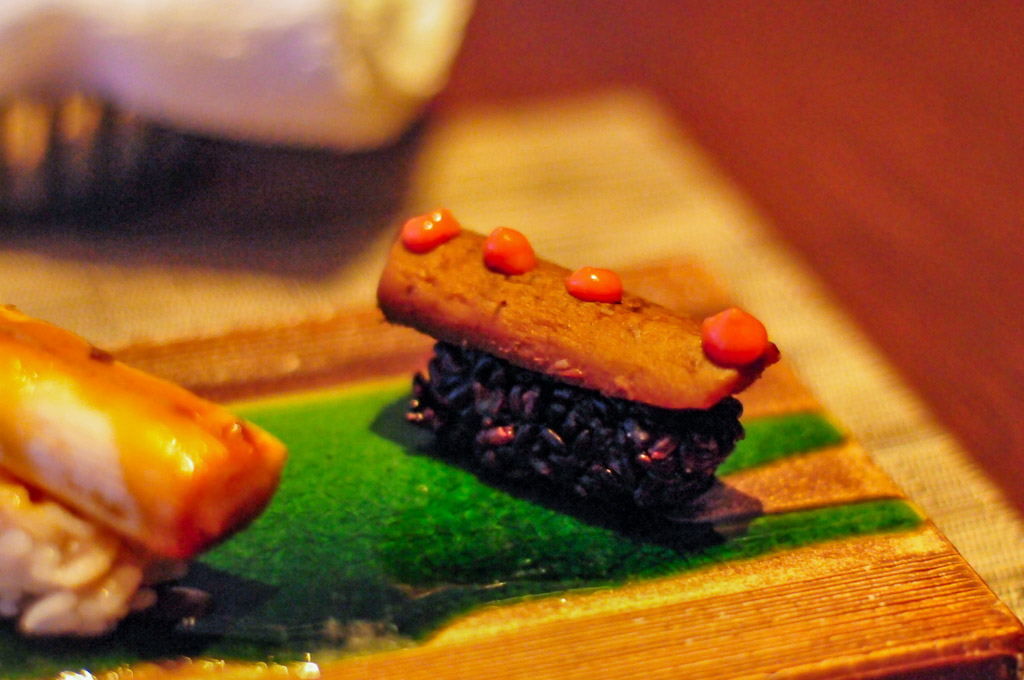
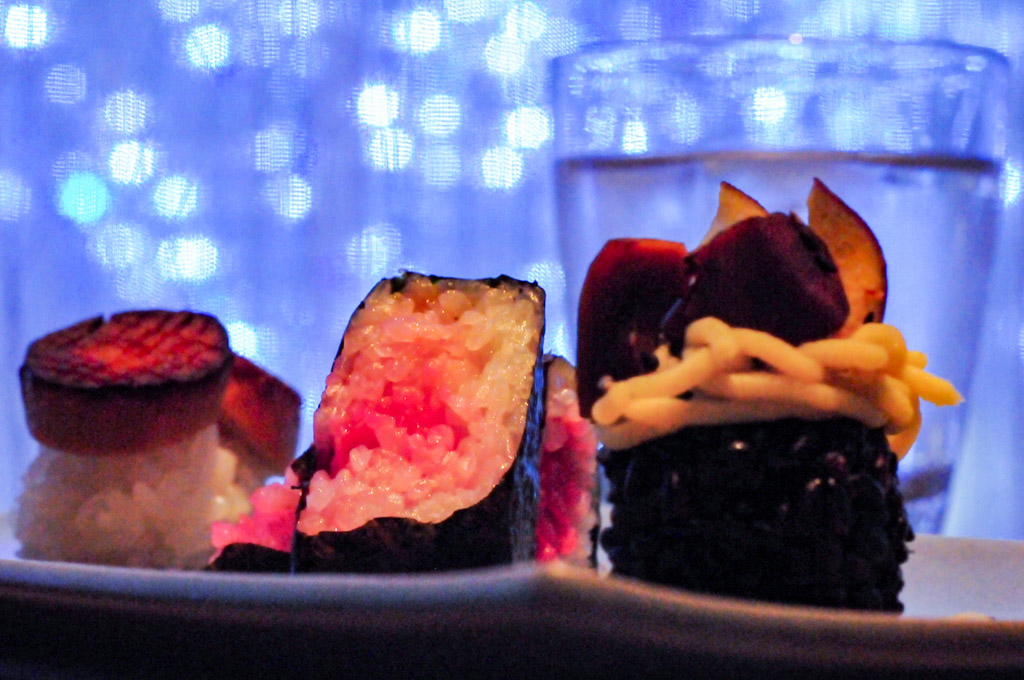
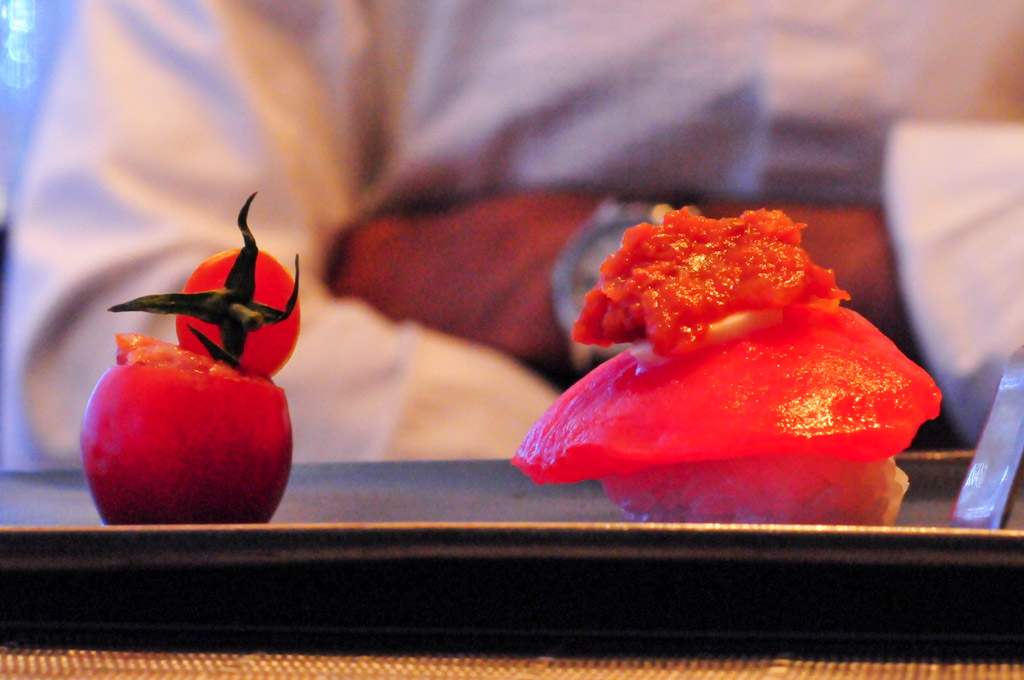
An interesting culinary experience was awaiting us that evening. Fazul had found a fine dining restaurant specialised in vegetarian sushi, at Roppongi, a popular area in the city. We tried a multi course sushi meal with variety of rices and vegetarian toppings, with high quality fresh ingredients personally sourced by the Chef from different parts of Japan. I have never tried real sushi, hence, no way to compare the ones we had with real ones.
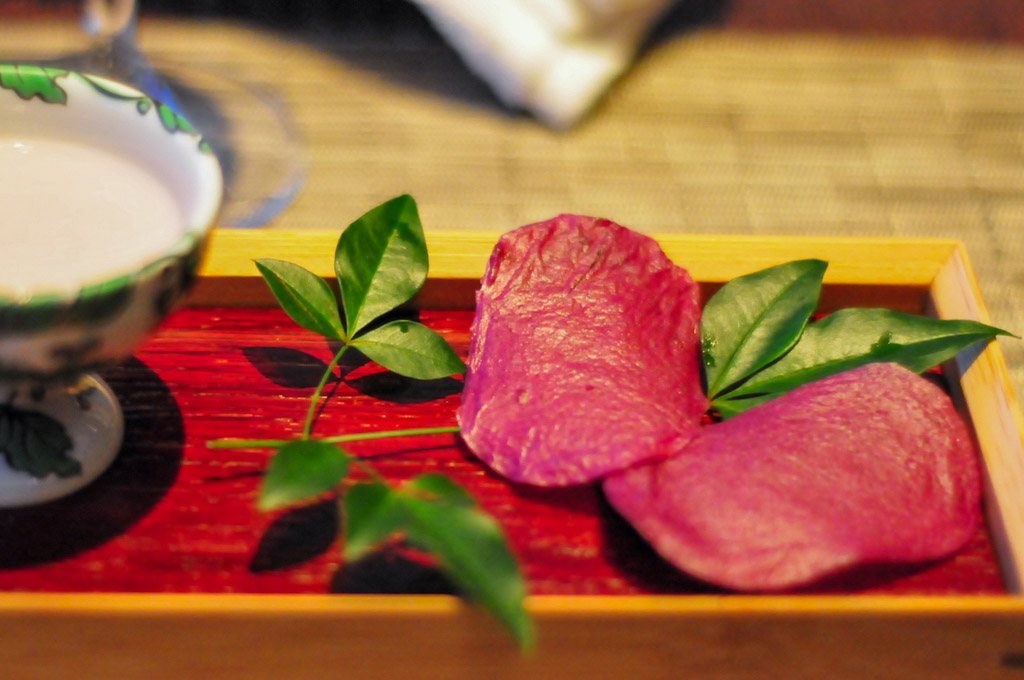
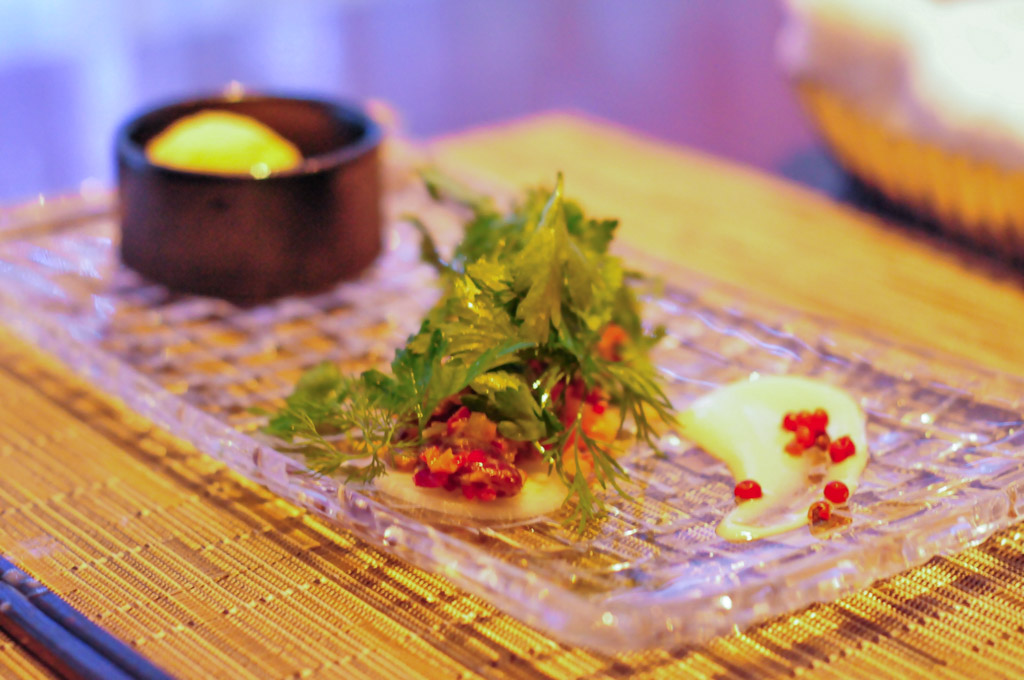
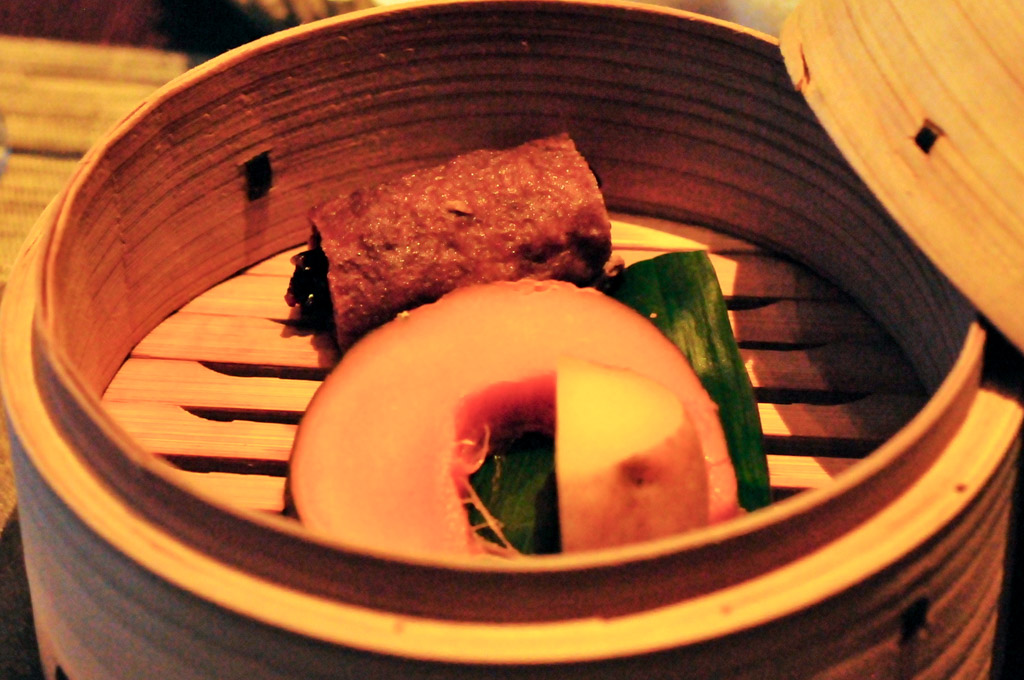
After a day filled with new experiences, we returned back to the hotel to get some sleep and be prepared for the early Shinkansen to southern Japan and more experiences in the coming days.
Link to Part II: https://rsharma.blog/2025/05/05/japan-part-ii/
 Life is a Journey..
Leave a comment